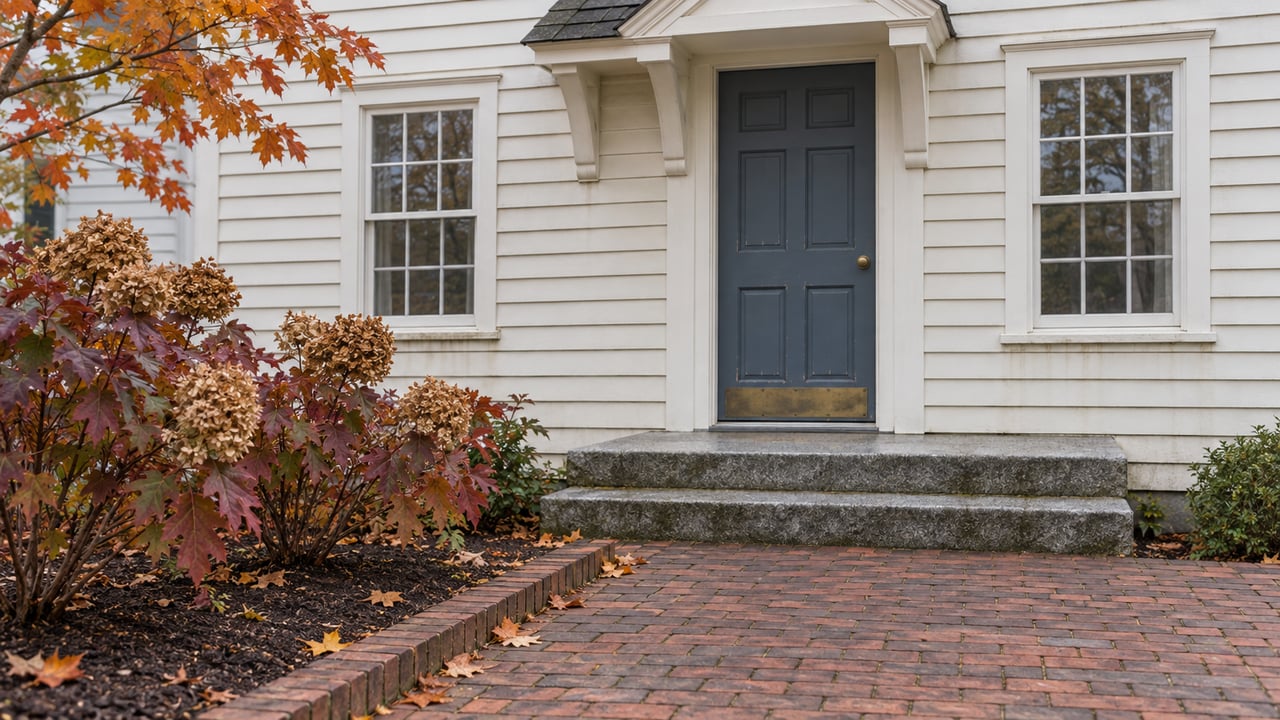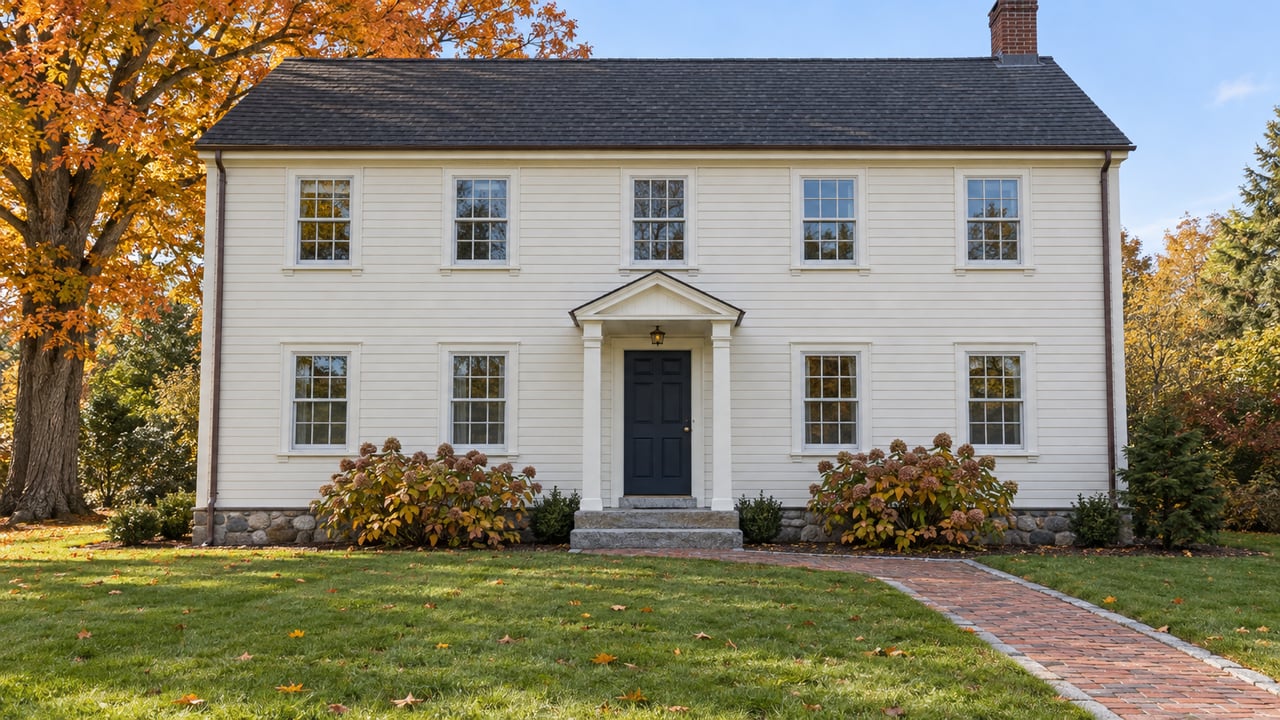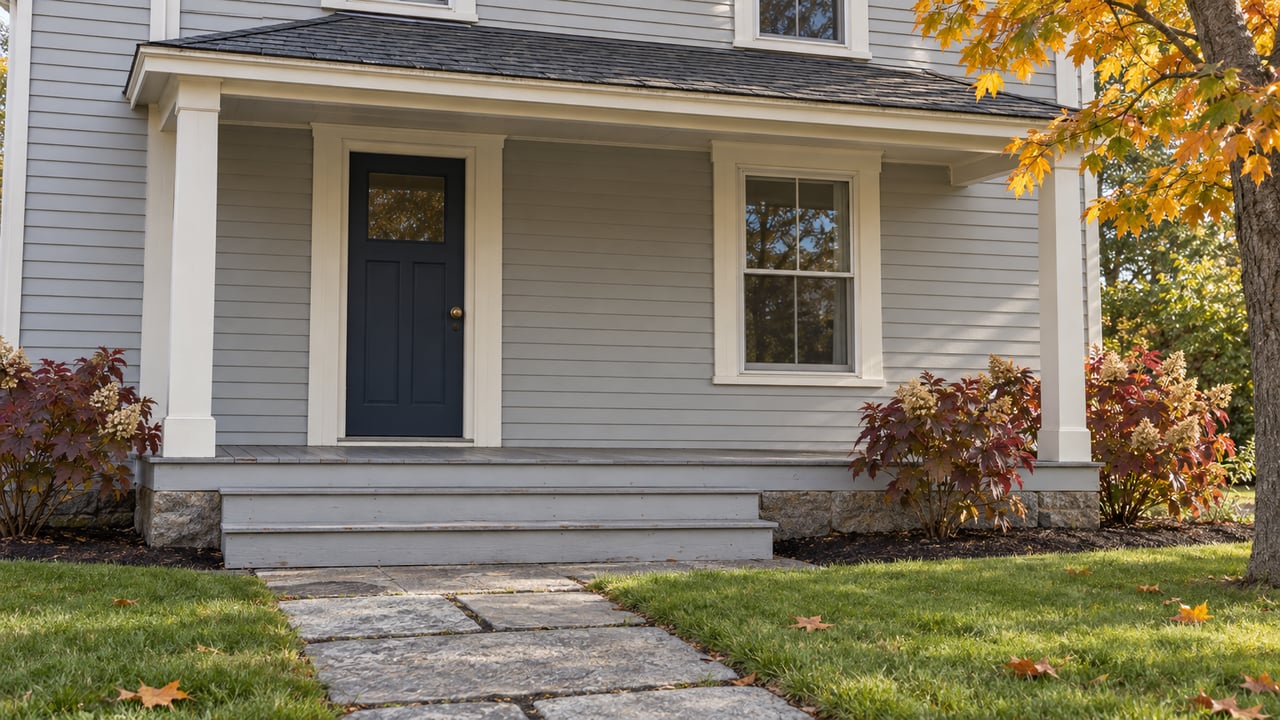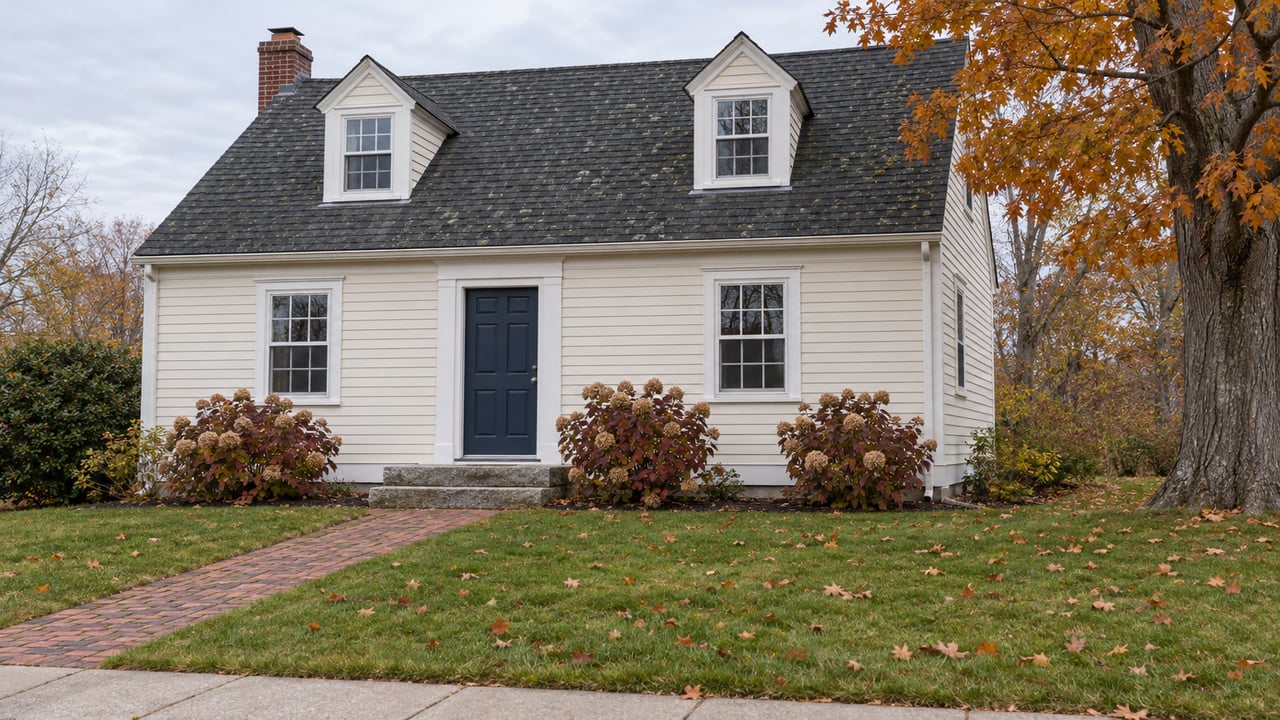
In Needham, older homes selling for less than $1 million usually go to builders, not to families who plan to live in them. That comes from a consultant analysis prepared for the town's Large House Review Committee and reported by the Needham Observer. Homes between $1 million and $1.3 million were split between builders and new homeowners. Homes that could sell for $1.3 million or more mostly went to owner-occupants.
If you're comparing Needham with its neighbors, this changes how to read a listing. Picture a 1950s Cape on a smaller lot, priced around $1 million. That house isn't only being judged as a place to live. It's also being judged as a building lot, by someone who has already worked out what a much larger house on that land would sell for. In most of those sales, that second bidder sets the price.
Three price bands, two kinds of buyer
The pattern lines up with dollar thresholds that came out of the RKG Associates analysis.
| Price of the existing home | Who typically bought it |
|---|---|
| Under $1 million | Builders |
| $1 million to $1.3 million | Split between builders and new homeowners |
| $1.3 million and up | New homeowners |
The bottom band is where most people would expect to find a starter home or a first move-up house. In Needham, that's also the band where the land often outweighs the house. The analysis focused on Single Residence B lots, the town's smaller and more tightly built parcels. They account for about 7,200 of Needham's 8,414 single-family lots, according to a January 2026 Needham Observer report.
How a builder arrives at a number
A family's offer comes from its savings, its loan approval and how much it likes the house. A builder's offer starts with what a new house will sell for and works backward. The figures from the RKG analysis, as reported by the Needham Observer in November 2025, show each step:
- The house that comes down. In a typical project, it was roughly 1,700 square feet.
- The house that goes up. Its replacement was roughly 5,700 square feet.
- The resale price. The new houses sold for an average of $2,700,000.
- The builder's margin. Builders cleared approximately $250,000 per project.
- The purchase price. Teardowns averaged $1,025,000 in 2025.
The analysis covered 202 of the 332 homes built on SRB lots since 2020. Complete sales data wasn't available for the rest.
Read it in that order and the purchase price comes last, after the resale price and the margin. A family bidding against a builder on an older Cape is up against an offer that rises and falls with the value of a new 5,700-square-foot house. Nothing about the Cape itself enters that calculation.
That's also why limits on house size matter to sellers. The same analysis estimated what smaller allowable houses would do to builders' offers for existing homes. A cut of roughly 10% in livable area would lower a builder's offer by about $17,000. A cut of about 30% would lower it by about $90,000. Builder Paul McGovern, a committee member, warned that the projections rest on static assumptions. "A change in interest rates would basically nullify everything that we have done fiscally in one fell swoop," he told the Observer.
Why the town median mostly reflects the finished product
This explains why Needham's headline price can look out of reach for a buyer who would be happy with an older house. According to the Massachusetts Association of Realtors' September 2026 Local Market Update for Needham, the single-family median for January through September 2026 was $1,825,000 across 203 closed sales.
That median is a blend. It combines older homes that sold to families or builders with new houses that sold for an average of $2.7 million in 2025. The MAR report doesn't break out new construction, so the exact mix can't be measured from it. Still, a town that replaces dozens of small houses with large ones every year will report a median pulled up by those new houses.
The pace is substantial. "70 houses are being torn down per year," Planning Board chair Justin McCullen told the Finance Committee, as reported by the Needham Observer in October 2026.
The September 2026 numbers also point to a somewhat softer market at the top this fall:
- Inventory was 63 single-family homes, up from 50 in September 2025.
- Months of supply rose to 3.1 from 2.3.
- For January through September 2026, sellers received 99.0% of their original list price on average, down from 100.7% over the same period in 2025.
- The September median was $1,570,000 on 15 sales. MAR cautions that a single month's figures can look extreme because the sample is small.
More supply and slightly smaller premiums over list price matter most in the top band, where families buy finished homes. The builder math in the bottom band responds to a different input: what new construction is expected to resell for.
What Town Meeting changed on Oct. 19
After two and a half years of study, Special Town Meeting voted on the first changes to the house-size rules on Oct. 19, 2026. Both articles apply to SRB lots, and both passed. The Needham Observer reported that the attic article passed 182 to 41 and the side-wall article passed on a voice vote.
According to the warrant text:
- Article 8, the attic cap. Any part of a half story with an interior ceiling height of 5 feet or more is limited to 50% of the second-floor area beneath it, whether finished or unfinished.
- Who it covers. It applies only to "New Construction," defined as building on a vacant lot or demolishing more than 50% of the building shell. A two-year look-back combines earlier demolition permits so the work can't be phased in to stay under the threshold. Existing homes are not covered.
- Article 9, side walls and flat roofs. Side-wall top plates are limited to 21.5 feet above the foundation, with listed exceptions. Flat-roofed homes are capped at 27 or 24 feet depending on how height is measured, with a 33-foot maximum at any single point.
- Timing. The warrant text gives Nov. 1, 2026 as the effective date.
Planning Board member Oscar Mertz called both changes relatively "innocuous" for builders and buyers but significant for neighbors. He described what you see on the "ladder streets," where new houses sit taller than the older ones beside them. "The roof starts up there. It's 3 feet higher," he told the Needham Observer. He added that "the smaller the lot, the chances are the bigger the attic."
So the new rules change how a new house looks from the street. They don't do much to its total size, and total size is what drives the $2.7 million resale price. McCullen said as much in the same Observer report: "Is this really going to move the needle? No. But it is going to change the design … the look and feel."
The measure that would change builders' math is still open
The changes that would directly affect resale prices are the ones dealing with floor-area ratio and lot coverage. The committee's January 2026 proposal would have counted attics, garages and above-ground basement space toward floor area, and scaled the allowed size to lot size. The committee estimated that this would reduce allowable new-home size on 85% of the town's single-family lots.
Those changes weren't on the October warrant. "We do not have consensus on floor-to-area ratio or lot coverage," McCullen told Town Meeting, according to the Needham Observer. He said the issues remain on the Planning Board's agenda. The board's September 2026 minutes had set a goal of bringing the committee's recommendations to the May 2027 Annual Town Meeting.
At the October meeting, members argued about whether teardowns cost the town or pay for it. Joe Matthews, whose 2024 citizen petition restarted the review, called "this entire tear-down paradigm" "diametrically opposed" to affordability. He said builders came to Needham after Wellesley, Lexington and other towns tightened their rules. Eric Sockol pointed to 31 knockdowns in his neighborhood. He said he "would venture to guess" that the additional real estate taxes from each knockdown came to three times what the old house had paid. Both were reported by the Needham Observer.
Committee member Bill Paulson described a possible effect on the market in the Observer's November 2025 coverage. "We might get some homes that just don't get rebuilt. They get renovated instead," he said.
What this means for sellers and buyers in each band
The builder math lands differently depending on where a house falls.
- Owners of older homes under about $1 million can draw both families and builders, and the higher offer often comes from the builder's resale estimate. If future rules cap house size, that estimate falls. The projected drop ranges from about $17,000 to $90,000, depending on how far the rules go.
- Buyers looking in the $1 million to $1.3 million range are shopping where builders and families most often compete for the same listings. That's the band where knowing who else is likely to bid matters most.
- Buyers above $1.3 million are mostly competing with other families. This fall, they're also seeing more inventory than a year earlier.
For more on how Needham's home types differ across town, see our guide to comparing Needham neighborhoods and home types. Sellers deciding on timing can also read when to list in Needham.
FAQ
Does the new attic rule affect my existing Needham home?
According to the warrant, Article 8 applies only to new construction, meaning building on a vacant lot or demolishing more than 50% of the building shell, with a two-year look-back on demolition permits.
Did Needham limit how big new houses can be?
Only partly. The October articles limit attic space, side-wall height and flat-roof height on SRB lots. Floor-area ratio and lot coverage, which control a house's overall size, are still under Planning Board review.
How many Needham houses are torn down each year?
Planning Board chair Justin McCullen put the number at about 70 per year in October 2026.
This post is general information about local zoning activity and isn't legal or financial advice. If you're planning to build, renovate or sell, please confirm how the rules apply to your property with the Town of Needham and the right professionals.
If you own an older Needham home and want to know whether builders or families are more likely to bid on it, the Condon Droney Team can walk you through the numbers on your street. Start with a free home valuation, and we'll talk through which kind of buyer your house is most likely to attract.