Wondering how different parts of Needham really compare when you start looking at actual homes for sale? That is a smart question, because Needham is not just one uniform market. If you are trying to balance commute, home style, lot size, and upkeep, this guide will help you understand how Needham’s village centers and residential pockets tend to differ so you can narrow your search with more confidence. Let’s dive in.
How to Compare Needham
Needham is often easier to understand as a town of historic villages and rail-oriented pockets instead of one simple neighborhood map. Town planning materials commonly focus on areas around Needham Heights, Needham Center, Needham Junction, and Hersey, which reflects how many buyers shop in real life.
That means your best starting point is usually not “Which neighborhood is best?” It is “Which part of town fits your commute, preferred home type, and day-to-day lifestyle?” In Needham, those factors often shape your options more than any single neighborhood label.
Needham Housing at a Glance
Needham is a high-demand, mostly owner-occupied market. Census data shows 32,091 residents, 11,929 housing units, an 84.3% owner-occupied housing unit rate, a median owner-occupied value of $1,146,000, and a median gross rent of $2,412.
The housing stock is still led by single-family homes. Needham’s housing plan says 77.6% of homes are detached single-family, 5.1% are attached, 3.5% are in two-to-four-unit buildings, 2.5% are in five-to-nine-unit buildings, and 11.1% are in buildings with 10 or more units.
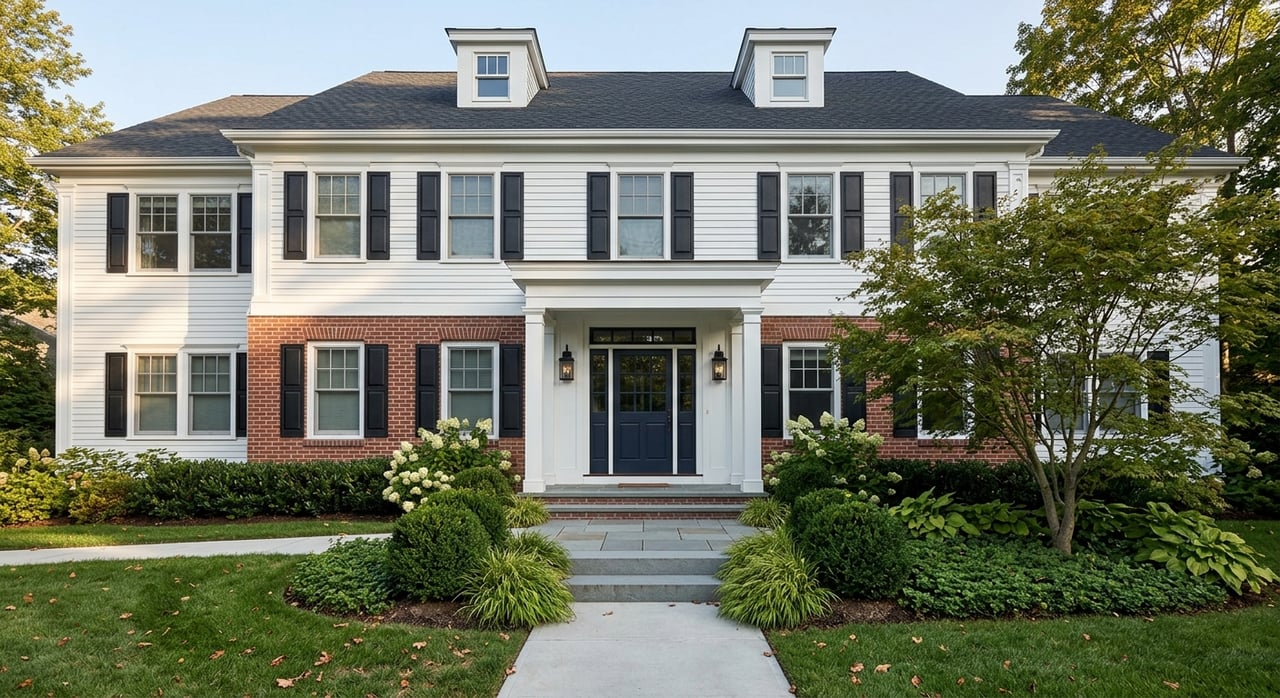
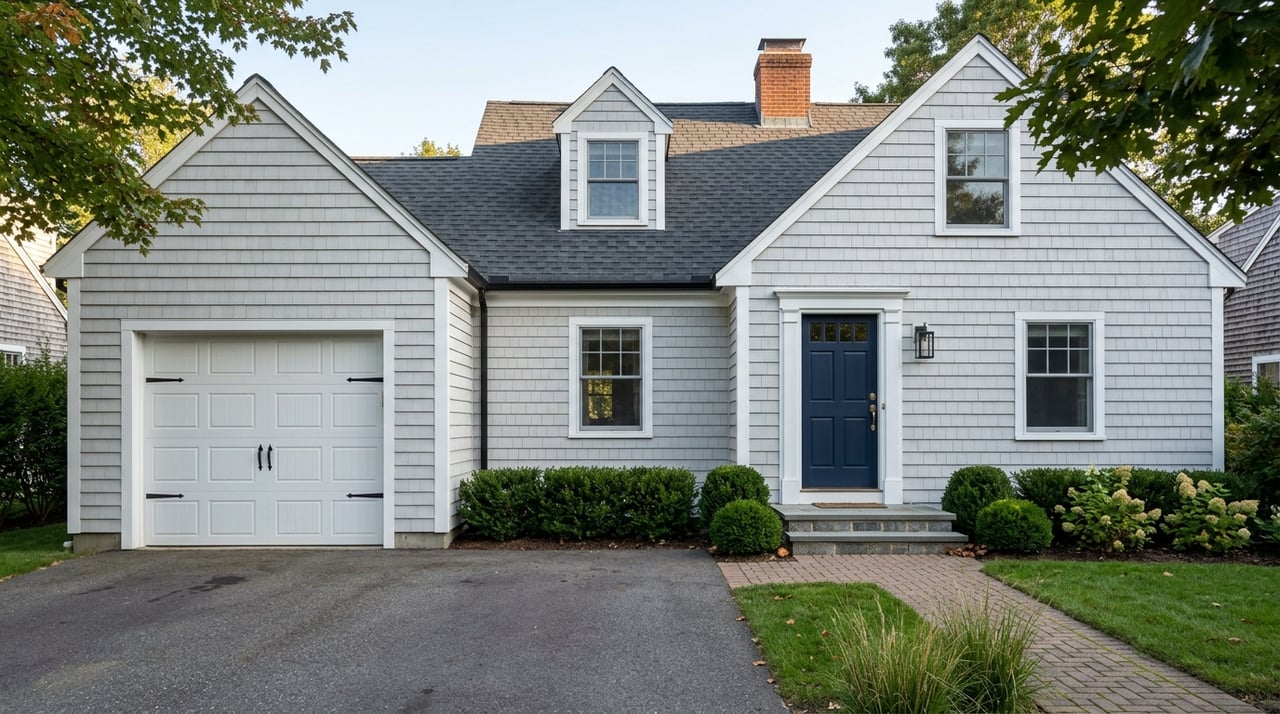
You also see a lot of age and variety in the housing supply. About 22.4% of the stock predates 1940, and around 41% was built from the 1940s through the 1960s, which helps explain why buyers often come across older capes, ranches, colonials, and updated rebuilds in the same search.
Needham Center and Great Plain
Best for downtown access
Needham Center is the civic and commercial heart of town, anchored by Town Hall, the Common, and Needham Center Station. If you want easier access to shops, services, and the commuter rail, this area usually stands out right away.
From a housing perspective, this part of town blends historic character with interest in more transit-oriented housing. Town planning documents note that the center continues to push for additional mixed-use and residential options, so this is one of the places where buyers may find a mix of older homes and newer housing ideas taking shape over time.
Home styles to expect
Great Plain developed with the railroad and became the town center by 1879. Historical records describe older homes in the original center as Georgian and Federal, while Great Plain Village added Victorian, Italianate, and Second Empire houses along Great Plain Avenue and nearby streets.
You may also see simpler cottages in parts of the area south of Great Plain and Dedham Avenues near Chestnut Street and the tracks. For buyers who value older architecture and a central location, this pocket offers some of Needham’s clearest historic identity.
Needham Heights
Best for walk-to-train options
Needham Heights grew as a village center tied to mills and later transit access. Today, it remains one of the most useful areas to compare if you want commuter rail access and a range of home types in one section of town.
Planning materials continue to treat the station area as a logical place for additional apartment and mixed-use housing within a half-mile of the station. That makes Needham Heights especially relevant if you are looking for lower-maintenance living or want to stay close to everyday conveniences.
Home types to expect
The historical commission notes that Needham Heights included both larger homes built by mill owners and more modest cottages and two-family buildings for workers. Development continued mainly east of Highland Avenue between 1915 and 1940, which adds another layer of age and style variety.
For today’s buyers, this is one of the stronger areas for comparing older village houses, two-families, walk-to-train homes, and some newer infill or multifamily options. If you want flexibility in housing type, this pocket deserves a close look.
Needham Junction and Lower Chestnut Street
Best for condos and redevelopment areas
Needham Junction and Lower Chestnut Street are shaped by transit access and institutional anchors like Beth Israel Deaconess Hospital. Town planning identifies this corridor as a place where station access and redevelopment pressure can support more office and residential growth.
The housing plan also targets parcels within a half-mile of Needham Junction for apartment-density zoning and identifies the Hartney Greymont site for multifamily redevelopment. For buyers, that usually means this corridor is more likely to offer condo, apartment, or mixed-use housing than larger detached single-family homes.
Who may prefer this area
If you are looking for a more low-maintenance property type, this part of Needham may fit your search better than detached-home pockets in other parts of town. It can also be a practical place to focus if proximity to the train matters more than having a larger lot.
Greendale and Broadmeadow Areas
Best for classic suburban feel
Greendale, Broadmeadow, and other smaller-lot residential pockets tend to read more like conventional suburban detached-home areas than transit-oriented multifamily districts. The town highlights pockets on the east side of Greendale Avenue, Brookside Road near the Wellesley line, and the Clarke Road, Rolling Lane, and Forest Street area as having parcel sizes closer to 10,000-square-foot lots.
That pattern suggests a housing fabric built more around detached homes and neighborhood streetscapes than station-area density. If you picture Needham as a more traditional suburban setting, these pockets may line up with that expectation.
What buyers often find
This is where buyers may focus when they want a single-family home as the top priority. While the town does not publish a detailed style-by-style inventory for these pockets, the lot pattern and zoning descriptions point more toward established residential blocks than mixed-use development.
Charles River Village and Southwest Needham
Best for privacy and land
Southwest Needham, including Charles River Village, has a different feel from the rail-centered parts of town. Historical records describe it as an early farming and milling area along the river, and the broader area has long been associated with larger estates and more open land.
The historical commission also notes the influence of William Emerson Baker’s large estate near Ridge Hill, which helped create Needham’s so-called Gold Coast of summer estates. Today, this part of town is often most associated with privacy, land, and a quieter setting rather than a downtown-style environment.
What that means for your search
If you want a less center-oriented feel and are prioritizing space over proximity to a village core, this side of Needham may be worth exploring. It offers a different experience from the station areas, even within the same town.
Comparing Needham Home Types
Single-family homes dominate
Single-family homes remain the defining housing type in Needham. The town’s housing plan says 94% of owners lived in single-family detached or attached homes in 2020, which helps explain why detached houses still shape the overall feel of the market.
A large share of that inventory comes from the mid-century era. Older capes and ranches are a central part of Needham’s housing story, especially among homes built in the 1940s through the 1960s.
Rebuilds matter in this market
Many of Needham’s newer-looking single-family homes are rebuilds rather than homes in brand-new subdivisions. The town’s teardown analysis says that just 25 of 943 new single-family homes built between 2010 and 2021 did not involve demolition and replacement.
That is one reason you may see a much larger newer home next to a smaller older house. If you are shopping in Needham, it helps to look beyond listing photos and ask whether a home is original, expanded, or fully rebuilt.
Two-families and townhomes fill a gap
Two-family homes and townhouses play an important middle role between detached houses and larger apartment buildings. The town notes that two-family homes can support owner-occupants who want rental income, making them a notable missing-middle housing type.
For some buyers, especially those considering flexibility or lower maintenance, these homes can open up options that feel different from both a traditional single-family purchase and a larger multifamily building. They are not the dominant housing type in Needham, but they matter.
Multifamily is more concentrated
Needham’s multifamily housing is not spread evenly across town. More than 40% of renters lived in buildings with 10 or more units in 2020, and newer multifamily production has been concentrated in specific redevelopment projects rather than broad new development across every neighborhood.
The town identifies major multifamily production at The Kendrick and Modera Needham, along with smaller subdivisions like Sunrise Terrace, Rockwood Lane, and Belle Lane. It also reports that 666 units were built as part of multifamily development from 2010 to 2020, showing that newer supply exists but is selective in where it appears.
How to Match the Right Area to You
If rail access and walkability are high on your list, start with Needham Center, Needham Heights, and Needham Junction. These are the most station-oriented parts of town and the places where mixed-use and multifamily housing are most likely to appear.
If you are drawn to historic character, Great Plain and older parts of Needham Heights may be especially appealing. Historical records point to Georgian, Federal, Victorian, Italianate, and Second Empire homes in these areas.
If lower-maintenance living is your goal, focus on station areas and redevelopment corridors. Those parts of Needham are more likely to offer condos, apartments, and mixed-use buildings than detached homes on larger lots.
If privacy or land matters most, southwest Needham and other detached-home pockets may be a better fit. These areas align more with larger-lot residential patterns and a less downtown-oriented feel.
It also helps to be prepared for a competitive market. Needham’s housing plan reports a 1.0% homeowner vacancy rate and a 2.6% rental vacancy rate in 2020 estimates, which helps explain why well-located homes and newer product can move quickly.
Choosing between Needham neighborhoods is often really about choosing between lifestyle patterns. The right fit depends on whether you want train access, historic character, lower upkeep, more privacy, or a traditional detached-home setting. If you want help comparing specific streets, home types, or current opportunities in Needham, the Condon Droney Team can help you sort through the options with a local, relationship-first approach.
FAQs
What is the best part of Needham for commuter rail access?
- Needham Center, Needham Heights, and Needham Junction are the most station-oriented parts of town, with access to commuter rail stops and planning patterns tied to transit.
What home types are most common in Needham, MA?
- Detached single-family homes are the most common, accounting for 77.6% of the housing stock according to Needham’s housing plan.
Where can you find condos or apartments in Needham?
- Condos, apartments, and mixed-use housing are more likely in Needham Junction, Lower Chestnut Street, Needham Heights, and other station-area redevelopment corridors.
Which Needham areas have more historic homes?
- Great Plain and older sections of Needham Heights are most closely associated with historic home styles such as Georgian, Federal, Victorian, Italianate, and Second Empire.
Why do so many newer homes in Needham look larger?
- Needham’s housing plan shows that many newer single-family homes were created through demolition and replacement, so older smaller houses were often replaced by larger rebuilds.
Is Needham mostly single-family or multifamily housing?
- Needham is mostly single-family overall, with multifamily housing concentrated in select corridors and redevelopment sites rather than spread evenly throughout town.