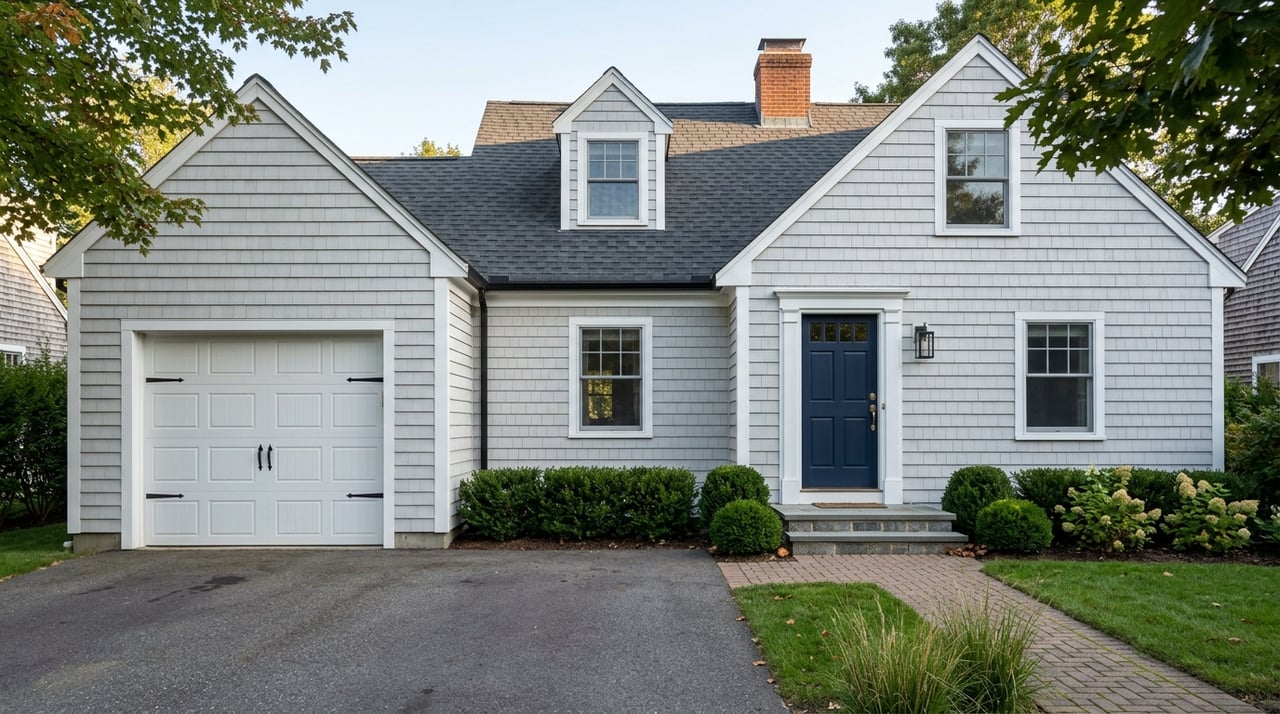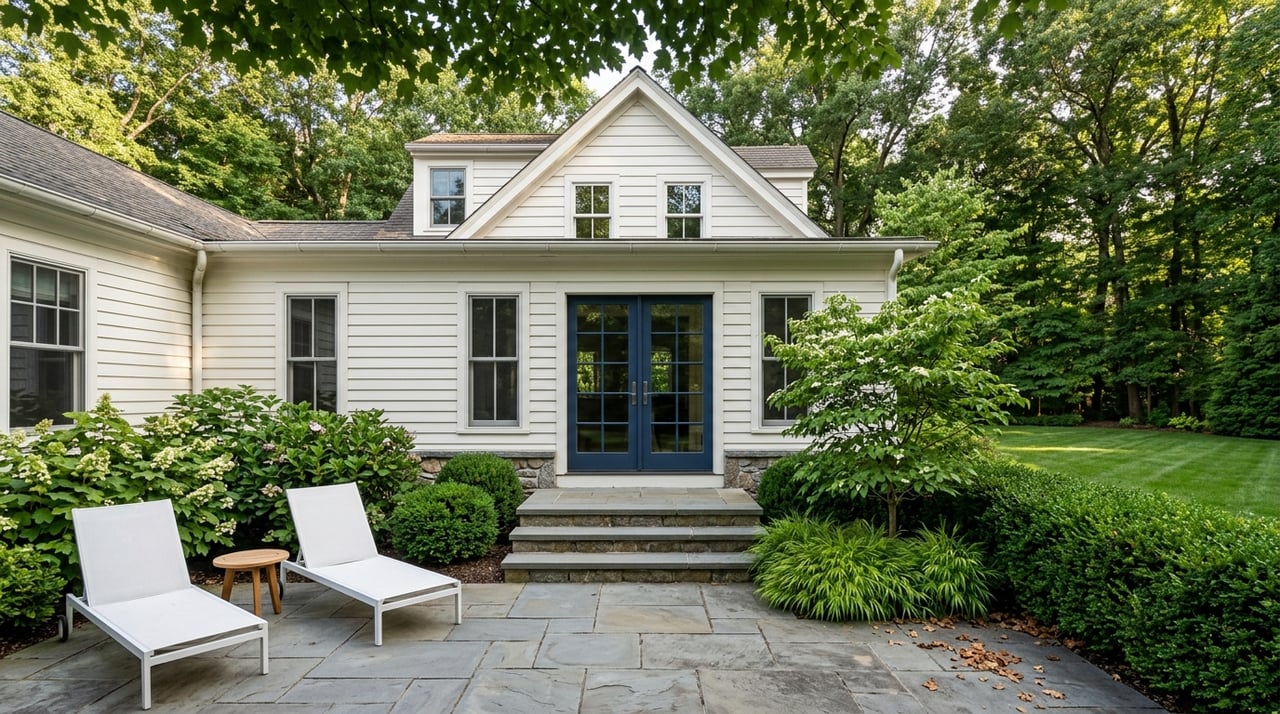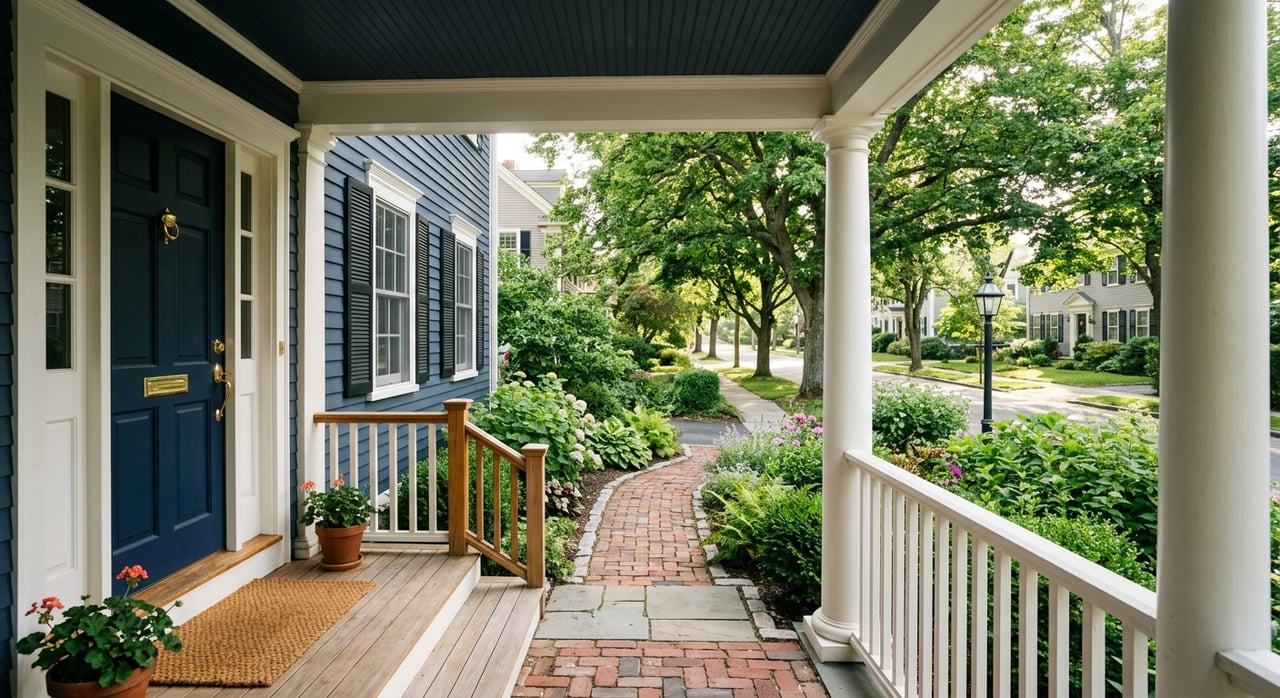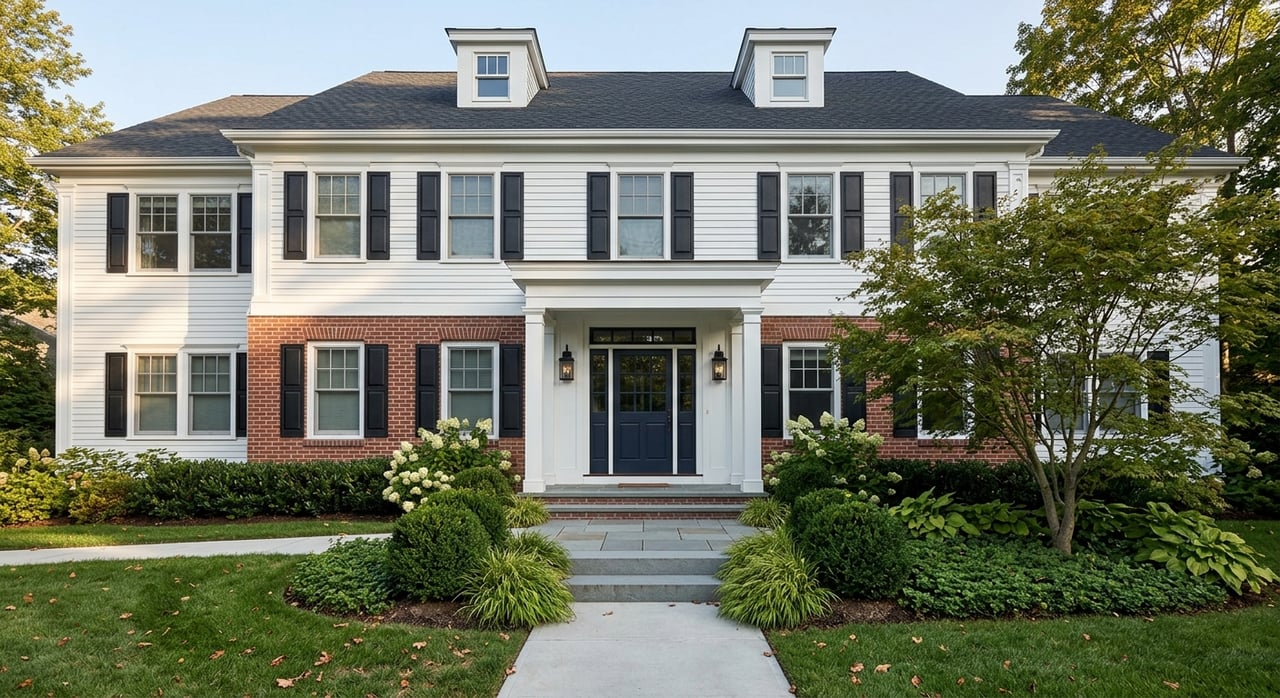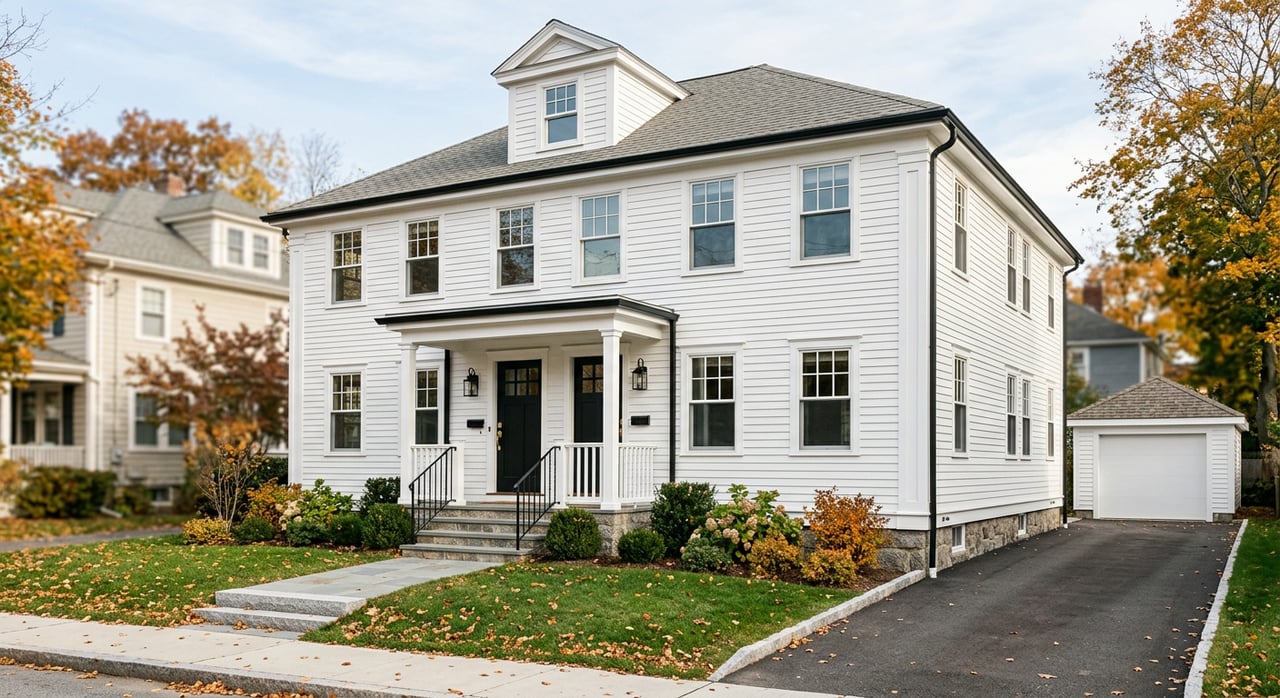
Thinking about buying a Newton duplex or triplex to build steady income close to Boston? You are not alone. Investors like the mix of strong household incomes, transit access, and a stable rental base that Newton offers. In this guide, you will learn what types of properties trade locally, what rents to expect, how financing works for 2 to 4 units, and the due diligence steps that protect your return. Let’s dive in.
Why Newton works for investors
Newton combines high owner occupancy with strong incomes, which supports rent stability over time. Census data shows an owner-occupied rate near 70 percent and a median household income around $190,000, both well above many metro areas. You can review those figures in the city’s profile on U.S. Census QuickFacts.
Small multifamily is not an afterthought here. City planning documents emphasize the role of duplexes, triplexes, and village-center apartments in Newton’s housing mix and future supply. The city’s housing planning materials note that small multifamily and village-center housing are core parts of local demand and supply dynamics. See the city’s consolidated housing planning overview for context on why this stock matters to Newton’s long-term goals (Newton housing plan).
Transit and access help too. The MBTA Green Line and commuter rail connect Newton to Boston job centers, and village-center zoning work aims to add more homes near those hubs. Newton adopted a Village Center Overlay District to enable more predictable approvals in defined cores, which signals some future supply but within a small share of the city’s land. You can read the overlay details in the Village Center Overlay District summary.
What you can buy in Newton
Common small-multifamily types
- 2-unit duplexes that suit owner-occupants who rent one unit.
- 3- and 4-unit buildings that work for house-hackers or small portfolios.
- Small walk-up or garden apartment buildings, with rare trades in larger assets.
- Accessory apartments as an alternate “house-hack” path, permitted under the city’s accessory apartment rules. For eligibility and process, see Newton’s municipal FAQs.
Where these homes tend to cluster
You will find many small multifamily properties close to village centers and transit corridors, where historic development patterns created attached and small-scale apartment housing. The city’s overlay work focuses on these cores, so future small-building opportunities are most likely in and around them. Review the Village Center Overlay District to understand where by-right paths may expand over time.
Rents and vacancy at a glance
Newton’s census-based median gross rent sits around $2,370 using recent American Community Survey estimates. You can confirm that figure on Census QuickFacts. Listing data paints a higher near-term picture: early 2026 asking rents often run from about $3,000 to $3,800 on average depending on sample and unit mix, according to RentCafe’s Newton rent trends.
Here is a quick yardstick for asking rents by size based on listing aggregates and the ranges cited above:
| Unit size | Typical asking range |
|---|---|
| 1-bedroom | $2,400–$3,000 |
| 2-bedroom | $3,000–$4,000 |
| 3-bedroom | $3,500+ |
Newton has historically posted very low vacancy relative to many suburbs, with local studies noting occupancies above 95 percent in prior years. That tightness can ease when a wave of new units delivers, so treat vacancy as cyclical and neighborhood-specific. For background on submarket vacancy and seasonality, see the city’s Residential Market Study. Leasing activity typically peaks from late spring through early fall, which can affect both rent levels and turnover timing.
What returns can look like
Cap rates in the Boston region’s core and top suburban markets have often printed in the low to mid 4 percent range for institutional-grade assets. Small neighborhood properties usually trade with wider dispersion and depend on condition, rent potential, and location. Expect Newton’s low vacancy and high-income demand drivers to support premium pricing relative to many suburbs. For metro context, review the Boston multifamily capital markets overview from Wronka.
When you build your pro forma, use conservative inputs that reflect both Newton’s strengths and real-world operating costs:
- Vacancy and credit loss: model 3 to 7 percent, with 5 percent as a prudent baseline in Newton. Source: city Residential Market Study.
- Operating expense ratio, excluding debt service: 35 to 50 percent of gross rent, depending on who pays utilities and your management model.
- Replacement reserves: $300 to $800 per unit per year, higher for older buildings.
- Lender rent credit for underwriting: about 75 percent of gross scheduled or market rent, per standard GSE guidance. See Fannie’s Selling Guide policy reference.
A simple stress test helps. Price out your debt service with today’s rates, plug in a 5 percent vacancy factor, apply a 40 to 45 percent expense load on gross income, and add reserves. Then test rent sensitivity down 5 to 10 percent. If the deal still pencils near your target return under those cases, you are in a safer zone for a long hold.
Financing your duplex to fourplex
Owner-occupied paths
If you plan to live in one unit, two common programs can lower your down payment:
- FHA-insured loans allow as little as 3.5 percent down for qualified borrowers on 1 to 4 unit properties, with mortgage insurance costs that you should factor into monthly expenses. Get an overview from the Consumer Financial Protection Bureau.
- Fannie Mae updated eligibility in November 2023 to permit conventional financing with as little as 5 percent down for owner-occupied 2 to 4 unit homes within conforming loan limits. This change opened the door for many buyers who prefer conventional terms. Read Fannie’s summary of the policy in its white paper.
Most lenders will count only a portion of expected rent from the non-owner units when you qualify. A common convention is a 75 percent rent credit that reflects vacancy and expenses, which is consistent with GSE underwriting. For the rule of thumb behind that credit, see Fannie’s Selling Guide policy reference.
Investor-only financing
If you will not occupy a unit, expect lower maximum LTVs and underwriting that centers on the property’s income. Many lenders use DSCR or small-balance commercial programs that look to in-place or market NOI and coverage tests instead of personal DTI. For an overview of DSCR approaches in the 2 to 4 unit space, see this primer on DSCR loans for small multifamily.
Zoning signals and future supply
Zoning shapes both competition and upside. Newton’s Village Center Overlay District creates more predictable paths for multifamily in defined commercial cores, while MBTA Communities compliance reinforces transit-oriented housing goals. That said, the overlay applies to a limited land area, which means most small-multifamily deals will continue to be neighborhood 2 to 4 unit homes and selective small apartment buildings. For details and maps, start with the Village Center Overlay summary and the city’s housing planning materials.
Policy can also affect rent strategies and exit assumptions. Massachusetts has seen active debate around local rent stabilization and just-cause frameworks in recent legislative sessions, which creates uncertainty that investors should track. Review bill activity and text on the state’s site for S.1447 and related proposals before you underwrite unlimited rent growth.
Due diligence checklist for Newton buyers
Complete and organize these items before you commit to an offer:
- Leases, addenda, and a current rent roll with proof of deposits.
- Utility setup by unit. Confirm who pays heat, hot water, electricity, and common area service.
- Property condition and major systems: roof, exterior, foundation, boilers or furnaces, electrical panels, and plumbing.
- Lead paint disclosure and compliance for pre-1978 units.
- Oil tank removal history if applicable, and environmental records.
- On-site parking count and any easements.
- Zoning use, accessory apartment status, and any special permits. Start with the city’s FAQs for local processes.
- Municipal Lien Certificate for 4+ unit properties as applicable, plus any local inspection or registration requirements. See Newton’s FAQs.
- Tenant history and notice periods. Confirm your exposure to any future rent-stabilization or just-cause changes by tracking state bill activity.
- Lender documents: personal returns, Schedule E, and property-level financials that match the rent roll.
How Newton compares nearby
- Cambridge and Somerville. Higher asking rents and strong demand, along with higher entry prices and more institutional competition.
- Brookline. Similar tier to Newton on pricing and demand drivers in a transit-linked, village pattern.
- Waltham, Watertown, Malden, Arlington. Often lower purchase prices with solid commutes to Boston.
- Framingham. Lower-cost, higher-yield alternative further west with a longer commute profile.
For metro-level context on resilience and pricing trends, see this 2026 snapshot of the Boston multifamily market.
A quick note on recent sales
Newton’s larger apartment trades are rare, which contributes to price stability. A useful example is a four-building, 44-unit portfolio that sold in 2024 for about $15.25 million, highlighting investor appetite for established Newton assets. You can read the brief on that sale in The Real Reporter’s coverage of the 44‑unit Newton portfolio trade.
Timing your purchase
Greater Boston leasing and turnover typically crest from late spring into fall, which can influence both rent negotiations and how quickly you can fill a vacancy. On the buy side, Newton’s small-multifamily inventory turns over slowly and some deals trade quietly. That makes pre-approval, clear underwriting, and access to private or coming-soon listings especially valuable in this market. The right local team can help you identify realistic targets and act quickly when the right property appears.
Work with a local partner you can trust
If Newton is on your list for house-hacking or adding a stable, long-term hold, you deserve a team that can help you price risk, source off-market opportunities, and handle the details. Our family-led approach pairs neighborhood insight with polished marketing and buyer representation for small investors. When you are ready to map your strategy and start touring, reach out to the Condon Droney Team to take the next step.
FAQs
What are typical Newton 2-bedroom rents in 2026?
- Listing aggregates often show 2-bedroom asking rents around $3,000 to $4,000, while census-based median gross rent across all units is about $2,370 (RentCafe, Census QuickFacts).
How low can my down payment be if I live in one unit of a triplex?
- FHA may allow 3.5 percent down for qualified borrowers on 1 to 4 units, and Fannie Mae permits as little as 5 percent down on owner-occupied 2 to 4 unit homes within conforming limits (CFPB FHA overview, Fannie Mae policy summary).
How do lenders count rental income from the other units when I qualify?
- Many lenders credit about 75 percent of scheduled or market rent from the non-owner units to reflect vacancy and expenses, consistent with GSE underwriting practices (Fannie policy reference).
Are there rent control or just-cause rules in Newton right now?
- Massachusetts has active debate and bills that could enable local rent stabilization or just-cause measures, so you should verify current law before assuming unlimited rent flexibility (state bill page).
Where is multifamily zoning most flexible in Newton?
- The Village Center Overlay District provides clearer paths for multifamily in designated village cores, while most of the city remains low-density and will continue to see small 2 to 4 unit trades (VCOD summary).
Is vacancy high or low in Newton compared with other suburbs?
- Historically it has been tight with occupancies often above 95 percent, though vacancy can fluctuate when new supply delivers and varies by location within the city (Residential Market Study).