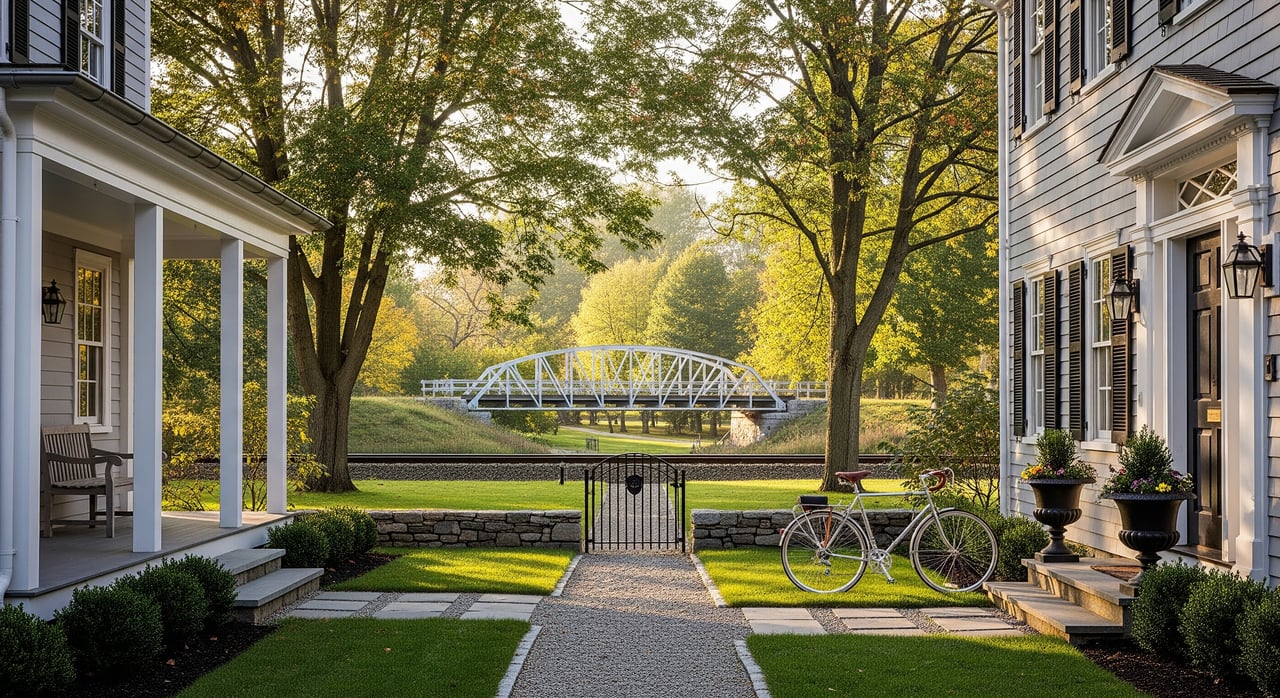
Thinking about a move to Westwood and wondering what daily life really looks like? You might be balancing a Boston commute with a desire for quiet streets, easy errands, and weekend time outdoors. This guide walks you through commuting options, local green space, everyday conveniences, and housing fit so you can picture your routine before you pack a box. Let’s dive in.
Where Westwood fits in Greater Boston
Westwood sits in Norfolk County among Boston’s southwest suburbs. Many residents commute into downtown Boston or to inner suburbs along Route 128 and I-95. Weekdays are often a mix of train rides or highway drives, plus short trips to neighboring towns for shopping and medical care. Norfolk, just to the south, offers a similar suburban feel with access to the same regional job centers.
Commuting without the headache
MBTA Commuter Rail access to Boston
For many Westwood and Norfolk residents, the MBTA Commuter Rail is a reliable way to reach South Station. Trains from the southwestern suburbs offer a predictable alternative to highway traffic, especially during peak hours. Travel times vary by departure, day, and line, so it is smart to check MBTA schedules and station information before you plan your routine.
You will find typical station conveniences like shelters and parking, and some locations have permit or daily fee programs. Weekday and weekend frequency differ, and first and last trains can shift seasonally. If you plan to park, verify current rules and costs along with any service changes or capital projects that could affect your commute on the MBTA website.
Driving via Route 128 and I-95
If you drive, you will likely use I-95 and Route 128 to reach jobs along the corridor or to connect toward I-93 into Boston. Expect inbound congestion in the morning and outbound in the evening. Your experience will depend on time of day, weather, and incidents, so use live traffic tools and review updates from the Massachusetts Department of Transportation when planning.
Parking in village areas and at commuter-rail stations is a practical consideration. Some lots are municipal, others are private, and programs can change. Build a few extra minutes into your morning routine to account for parking and platform time.
Airport connections for travel
For longer trips, most residents use Logan International Airport in Boston, with regional alternatives in Providence and Manchester. You can reach these by highway or with MBTA connections depending on your schedule. Because travel times can vary widely, check a live map and your airline’s guidance before you head out.
Parks, trails, and outdoor time
In-town parks and conservation land
Westwood and Norfolk offer the green space you expect from suburban Metro Boston. You will find town parks, playfields, and conservation areas with walking trails for easy daily outings. Trail difficulty and dog policies vary by property, and winter maintenance can differ, so review town trail maps and posted rules before you go.
Local conservation areas typically focus on passive recreation. Parking lots may be small, and some entrances are more neighborhood-based than destination-style. If accessibility is important, look for ADA-friendly paths, and confirm whether restrooms or seasonal facilities are available.
Regional parks within a short drive
Within a 10 to 30 minute drive, you can reach larger state and regional reservations for longer hikes and multi-use trails. These are great options when you want more mileage or a different landscape without a long road trip. Start your search with the Massachusetts Department of Conservation and Recreation to find nearby reservations and current advisories.
If you are a cyclist or runner, check how local paths connect to multi-town routes. Some corridors link into longer rail-trails or greenways. A quick review of town resources and regional trail groups can help you map a loop that fits your pace.
Seasonal recreation and programs
Recreation departments in towns like Westwood and Norfolk typically offer youth camps, adult leagues, and seasonal programs. You can expect fields for organized sports and community events throughout the year. Registration windows and program locations can shift by season, so keep an eye on announcements from the towns for new offerings and schedules.
Village conveniences and everyday errands
Groceries, pharmacies, and basics
Daily needs are usually straightforward. Westwood has a small village center feel in certain areas, along with shopping centers on main routes for grocery runs, pharmacy pickups, banking, and casual dining. Norfolk follows a similar pattern, with a compact center and quick drives to larger retail in neighboring towns.
If you prefer errands near transit, look for clusters of shops and services by commuter-rail stations and main intersections. Weekend hours can vary, and some businesses are seasonal, so confirm operating times if you rely on early or late visits. When comparing neighborhoods, make a short list of your weekly stops and see how many are within a 5 to 10 minute drive.
Health care and routine services
Primary care, urgent care, dental, and specialty services are available locally or in adjacent towns. Many residents choose nearby community hospitals and larger medical centers depending on provider networks. For routine visits, aim for locations you can reach without crossing major chokepoints at rush hour.
If you have pets, check the location of veterinary clinics and emergency services before you commit to a neighborhood. Small practical choices like this can save time and reduce stress during a busy week.
Libraries and civic services
Town halls, libraries, police and fire, and public works are centrally located for easy access. Transfer stations and recycling rules vary by town, so review local guidelines when you move in. Libraries often double as community hubs with events, study spaces, and children’s programming that can anchor your weekly routine.
Housing types and lifestyle fit
What you will see on the market
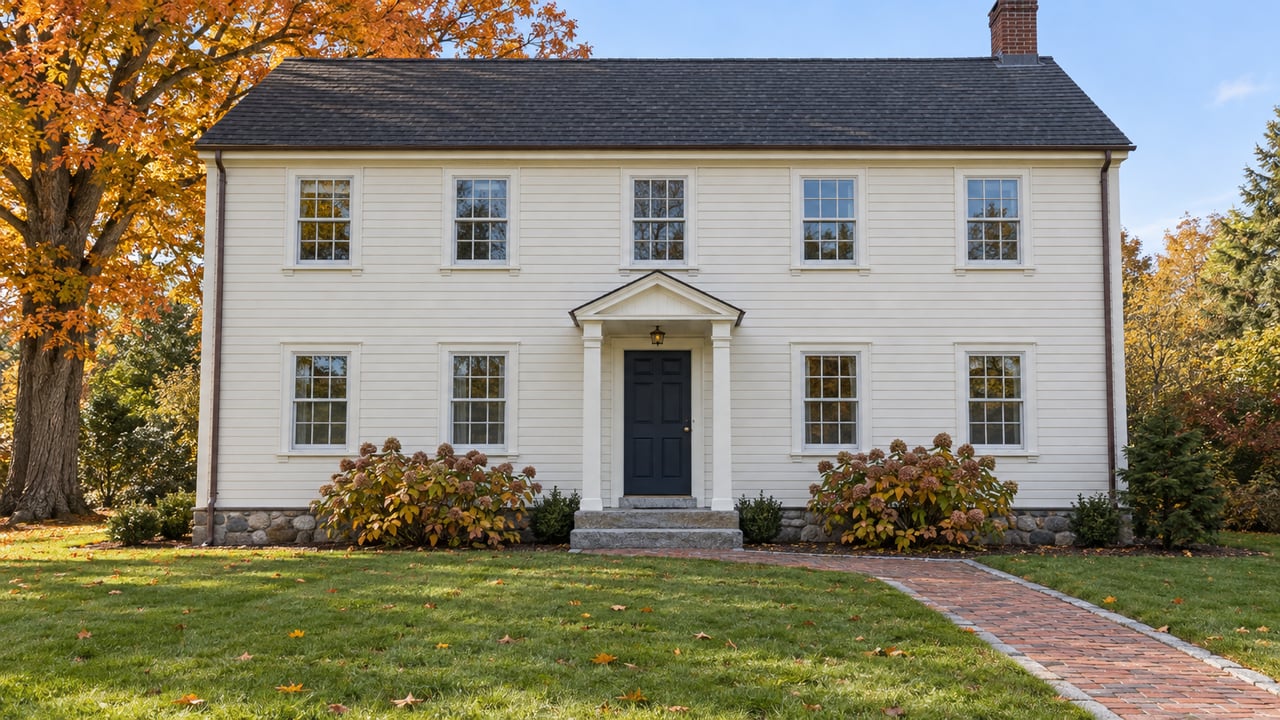
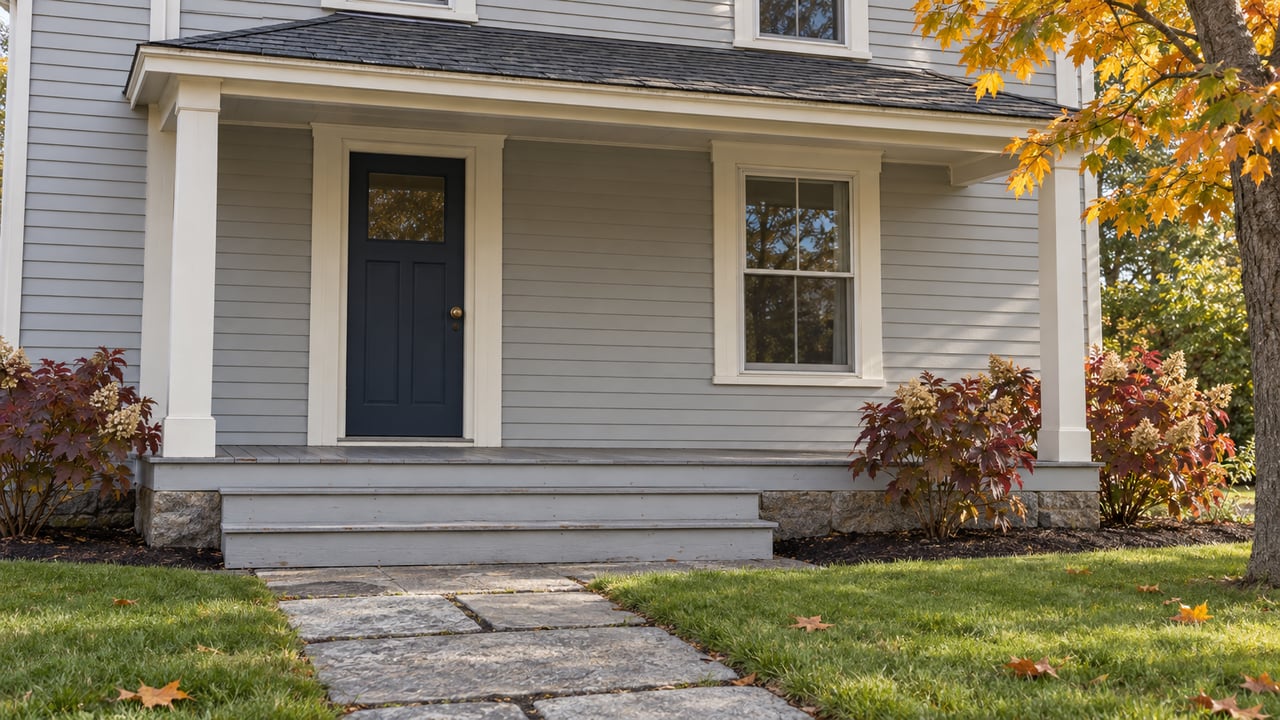
Housing in Westwood and Norfolk reflects a classic suburban mix. Most properties are single-family homes, including colonials, capes, and ranches, with pockets of townhouses and condos. You will also find newer construction and renovations, plus occasional infill developments that add options near amenities.
Lot sizes range from modest suburban parcels to larger settings in less dense areas. If low maintenance is your goal, look for condo communities with exterior upkeep included. For more space and privacy, consider neighborhoods with conservation buffers or cul-de-sac layouts.
What tends to drive value
A few consistent drivers shape demand. Homes with convenient access to commuter-rail stations or major highways often command a premium. Properties close to village conveniences and those near conservation land can draw more interest.
Market conditions are seasonal in greater Boston, with spring typically the busiest. Inventory levels and days on market shift throughout the year, so align your search with your timeline and financing. If you are selling, presentation and timing can make a meaningful difference.
Who tends to love Westwood and Norfolk
These towns are a strong fit if you want suburban character with straightforward Boston access. Commuters benefit from rail and highway options, and weekend explorers appreciate the network of local and regional parks. Downsizers and busy households often value condo and townhouse choices near amenities.
Potential challenges include car dependence for many errands if you are not walking distance to a village area, and peak-hour congestion on major corridors. Like many Massachusetts suburbs, property taxes and utilities are important budget considerations. Factor these into your monthly numbers early so you can shop with confidence.
How to choose your ideal pocket
- Test your commute. Ride the train during your likely departure window and drive your preferred route to see real travel ranges. Check MBTA service updates and a live map for a fair comparison.
- Map your weekly errands. List your top stops and time how long each takes from a few neighborhoods you like.
- Walk the parks. Visit at different times of day to see parking availability, trail use, and any policies that matter to you.
- Match housing to your routine. Decide whether you want a larger yard, a shorter commute, or lower maintenance, then keep those tradeoffs front and center.
- Work with a local advisor. A neighborhood-focused team can help you preview upcoming listings, understand micro-location value drivers, and fine-tune your strategy.
If you are exploring Westwood or nearby Norfolk, we are here to make the process easier. From complimentary staging that helps sellers stand out to curated access for buyers, the Condon Droney Team pairs neighborhood insight with polished presentation so you can move forward with confidence.
FAQs
How long is the commute from Westwood or Norfolk to Boston?
- Commuter-rail trips to South Station typically range from roughly a half hour to about an hour depending on origin, schedule, and day, while driving can be comparable or longer during rush hour. Always confirm your trip with the MBTA and a live traffic tool.
Does Westwood have MBTA Commuter Rail service to South Station?
- Yes, southwestern suburbs including Westwood and Norfolk are served by MBTA Commuter Rail with direct service to South Station. Verify station locations, parking rules, and current timetables on the MBTA website.
What kinds of parks and trails are near Westwood and Norfolk?
- You will find town parks, playfields, and conservation areas for walking and passive recreation, plus larger state reservations within a short drive. Use Massachusetts DCR resources to explore options and advisories at the Department of Conservation and Recreation.
Are daily errands walkable in Westwood?
- Many residents rely on a mix of village-area shops and nearby shopping centers, so a car is useful for most errands. When comparing neighborhoods, check how close you are to groceries, pharmacies, and services you use weekly.
What housing types are common in Westwood and Norfolk?
- Most homes are single-family properties with a mix of colonial, cape, and ranch styles, plus pockets of townhouses and condos. Renovations and newer construction add options for buyers seeking updated layouts or lower-maintenance living.