Buying your first home in Dedham can feel exciting and a little overwhelming. You want a clear plan, local insights, and a path that helps you compete without taking on unnecessary risk. This guide gives you practical steps, timelines, and Dedham-specific tips so you can move from pre-approval to closing with confidence. Let’s dive in.
Why Dedham appeals to first-time buyers
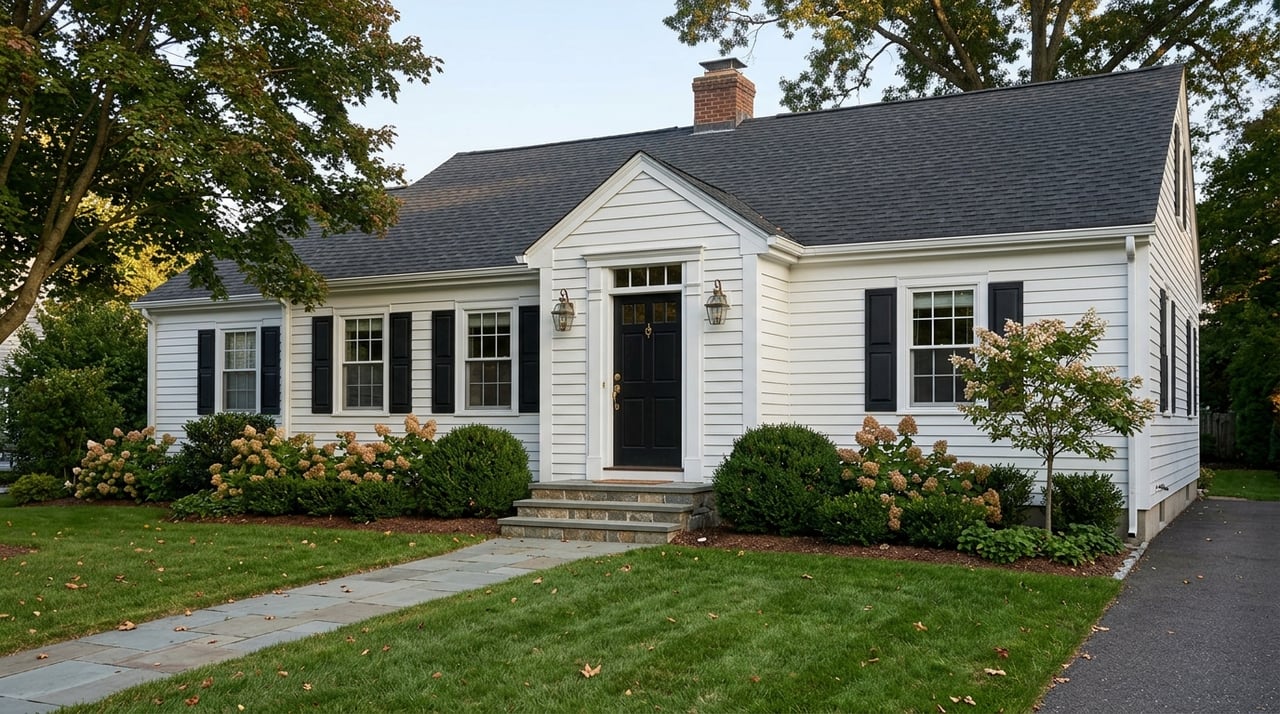
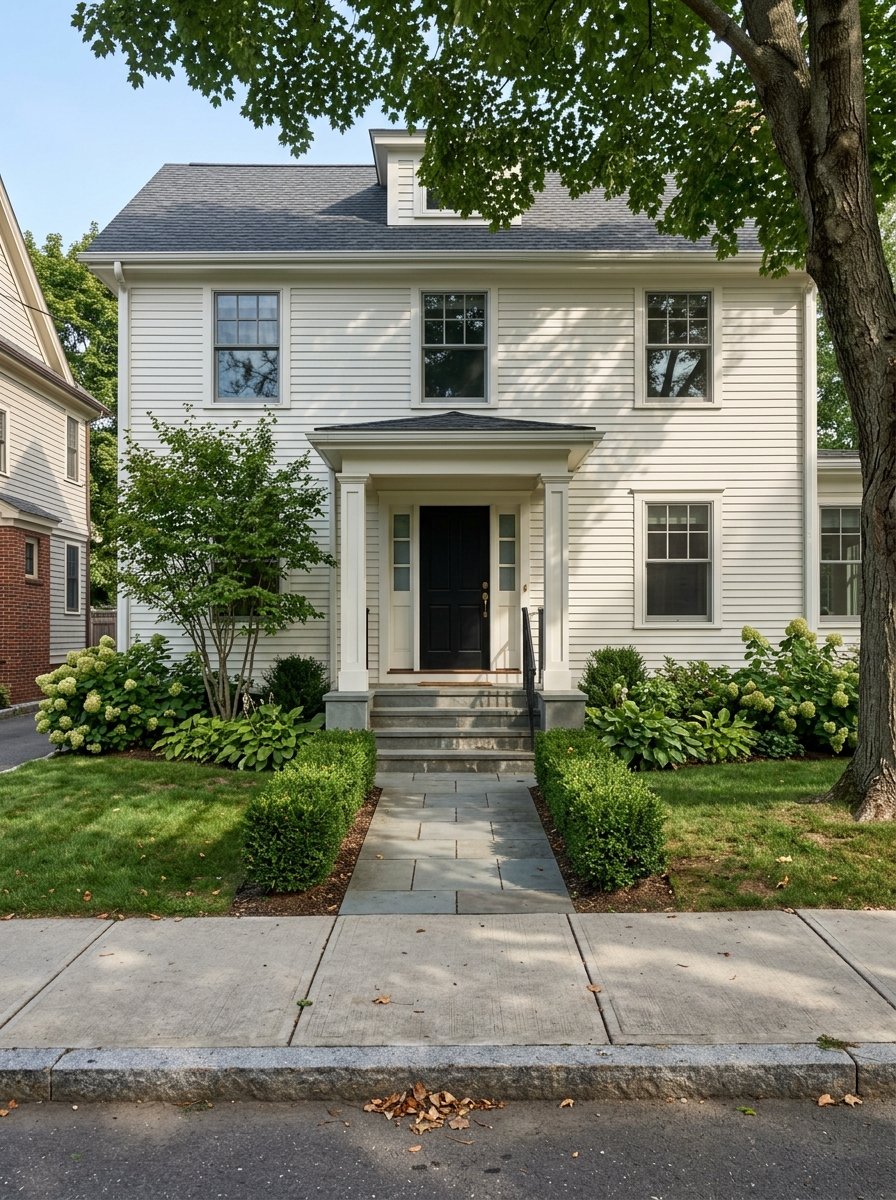
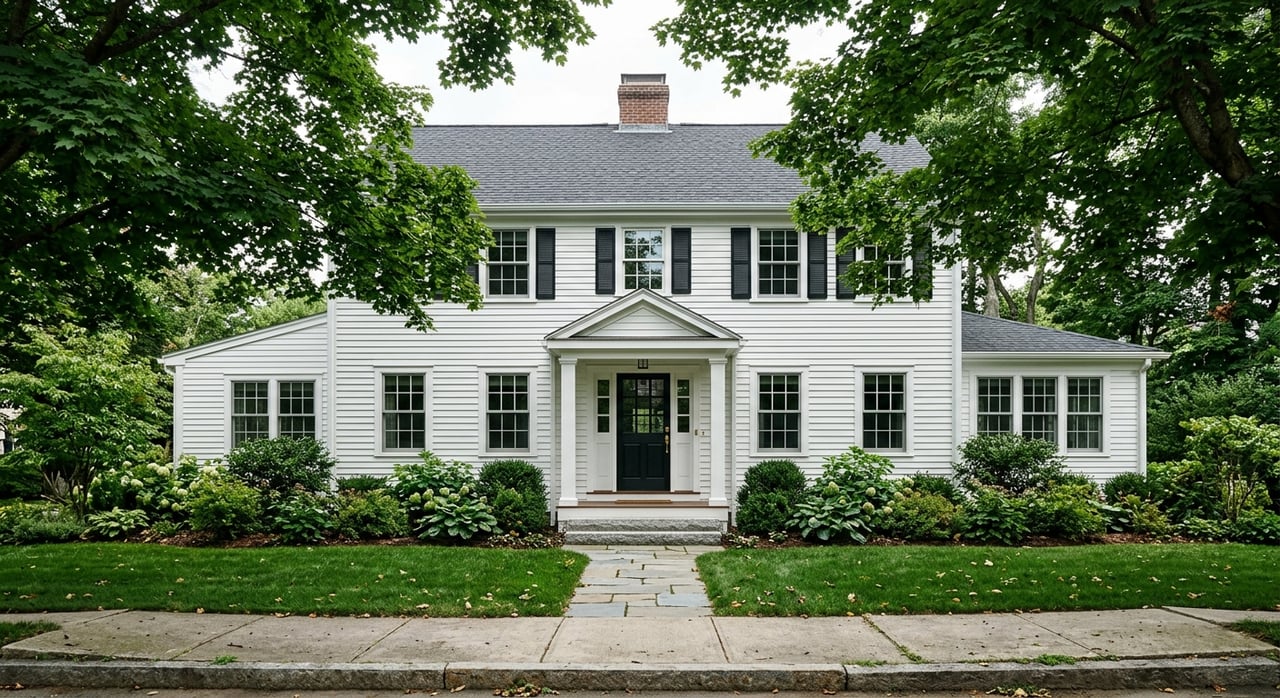
Dedham offers a classic New England feel with commuter-friendly access to Boston. You’ll find a mix of older single-family homes like Colonials, Capes, and ranches, small multi-family properties, and newer or converted condos and townhomes. Many houses sit on modest lots, and some areas include local historic districts that may require approval for exterior changes.
Competition varies by neighborhood, property type, and condition. Well-priced, move-in-ready homes can attract multiple offers. Stay current by checking recent market reports from regional Realtor associations and talk with your agent about what is typical right now.
Step 1: Get mortgage-ready
A strong pre-approval is your starting line. Sellers and listing agents in Greater Boston expect to see a current pre-approval with your offer. It signals you’re serious and helps underwriting move faster once your offer is accepted.
What lenders usually ask for:
- Photo ID and Social Security number
- Recent pay stubs and W-2s for the past 2 years
- Recent bank and asset statements
- Tax returns if self-employed, plus proof of other income
- A list of debts and any relevant legal documents
Pre-qualification is a quick estimate. Pre-approval involves document verification and can take a few days to one or two weeks. The full underwriting and appraisal process begins after you’re under contract.
Explore first-time buyer programs early. State-backed options can offer lower down payments or down-payment assistance. Review current offerings and eligibility with programs like MassHousing’s homebuyer options and the Massachusetts Housing Partnership. For a plain-language overview of the homebuying process and costs, check the CFPB’s homebuying guide.
Step 2: Define your search criteria
Start with a clear list of must-haves versus nice-to-haves. Consider property type, commute preferences, parking, outdoor space, and renovation comfort level. Your agent can set up MLS alerts so you see new listings quickly, which matters in competitive price ranges.
When you tour, look beyond finishes. In older Dedham homes, note the roof age, foundation, heating system, hot water heater, and electrical panel. Walk the area at different times of day to get a feel for traffic, services, and transit access.
Step 3: Tour like a pro in Dedham
Open houses are common on weekends, with private showings arranged through your agent. As you tour:
- Scan for signs of moisture, uneven floors, or aging systems.
- Confirm whether the property uses municipal water and sewer or a private septic system. If septic, a Title 5 inspection may be required before sale.
- Ask about any additions or conversions and whether permits and certificates of occupancy were issued.
- If the home was built before 1978, review the lead paint disclosure. You have the right to test. Learn more from HUD’s lead information.
- If the property is in a historic district, exterior changes may need approval. Start with the Town of Dedham website to review applicable boards and processes.
Step 4: Make a smart offer
Your offer typically includes price, closing date, deposits, and contingencies. In Massachusetts, earnest money is usually held in escrow by the listing brokerage or your attorney.
Common contingencies:
- Financing and appraisal
- Home inspection
- Clear title and attorney review
- Any needed town approvals
In multiple-offer situations, sellers may favor cleaner terms or shorter timelines. Balance competitiveness with protection. Waiving an inspection can be risky on older homes. If you consider an escalation clause, set a clear cap and provide evidence of funds.
Buyers in Massachusetts often involve an attorney to review the Purchase and Sale agreement and conduct title work. That legal support helps keep your interests protected.
Step 5: Inspections, appraisal, and title
Inspection periods are typically 7 to 14 days after offer acceptance, but the exact timing is negotiable. Your general inspector will review structure, roof, mechanicals, electrical, plumbing, and more. Based on age and features, you might add specialists such as chimney, septic, oil tank sweep, masonry, or radon testing.
If you’re financing, your lender will order an appraisal. If the appraised value is lower than your offer, you may renegotiate or increase your down payment. Your attorney will order a title search to check for liens or easements. Title insurance is standard in Massachusetts. Learn what it covers from the CFPB’s title insurance overview.
Step 6: Closing timeline and costs
From accepted offer to closing, plan for about 30 to 60 days. Conventional loans often close around the 45-day mark, while some government-backed loans can take longer. Attorneys typically handle closing and recording in Massachusetts, and a final walk-through is done within 24 to 72 hours before closing.
Your buyer closing costs generally run about 2 to 5 percent of the purchase price. These can include loan origination, appraisal, attorney and title fees, recording, prepaid taxes and homeowners insurance, escrow deposits, and possible HOA fees for condos.
Dedham must-knows before you buy
- Zoning and permits: Confirm zoning and permit history for additions or conversions, especially in older homes. Start with the Town of Dedham for zoning, building, and historic review boards.
- Utilities and septic: Many properties connect to town water and sewer, but not all. If septic is present, plan for a Title 5 inspection requirement.
- Flood risk: Areas near the Charles River or Mother Brook may lie in FEMA flood zones. Check property-specific maps using the FEMA Flood Map Service Center. Lenders may require flood insurance if a home is in a mapped floodplain.
- Property taxes: Review assessments and tax rates through the Town Assessor’s resources on the Town of Dedham site. Budget ongoing taxes in your monthly costs.
- Schools: Dedham Public Schools serve the town. Review district resources and enrollment policies directly from official channels to understand how school assignments work.
- Title and deed records: Your attorney will examine the chain of title. You can also explore recorded documents at the Norfolk County Registry of Deeds.
- Commuting: Review commuter rail and bus options on the MBTA website to gauge travel times to Boston and nearby job centers.
Quick checklists you can use
Pre-offer readiness
- Current mortgage pre-approval
- Proof of funds for earnest money and closing
- Must-haves vs nice-to-haves list
- A local buyer’s agent in your corner
At showings and open houses
- Roof, foundation, windows, and exterior condition
- Age of heating, electrical, and hot water systems
- Signs of moisture or prior leaks
- Parking, storage, and outdoor space
- Property boundaries and any visible encroachments
During the inspection period
- Hire a licensed home inspector
- Add specialists as needed: chimney, septic/Title 5, oil tank sweep, masonry, mold, radon
- Get estimates for major items you may negotiate
- Consult your attorney about inspection findings and contract language
Closing readiness
- Homeowners insurance binder
- Wired funds or certified check per settlement statement
- Final walk-through scheduled 24–72 hours prior
- Utilities transfers and mail forwarding set up
- Review Closing Disclosure carefully
A simple sample timeline
- Week 0: Pre-approval complete, search criteria set.
- Weeks 1–3: Showings and open houses, offer accepted.
- Weeks 2–4: Inspections and negotiation of repairs or credits.
- Weeks 3–6: Appraisal, title search, and underwriting.
- Weeks 6–8: Clear to close, final walk-through, closing day.
Your actual timing can be shorter or longer based on lender speed, the property, and negotiated deadlines.
Trusted resources for Dedham buyers
- Town information and permits: Town of Dedham
- Deeds and title history: Norfolk County Registry of Deeds
- State-backed first-time buyer programs: MassHousing and Massachusetts Housing Partnership
- Transit planning: MBTA schedules and maps
- Flood maps and insurance guidance: FEMA Flood Map Service Center
- Title insurance and closing basics: CFPB consumer guides
- Lead paint rules for older homes: HUD lead information
Ready to start with a local guide?
If you want clear, steady guidance from search to keys, you’re in the right place. Our family-led team brings deep neighborhood experience, responsive communication, and access to curated on and off-market options. We’ll set smart alerts, help you craft competitive yet safe offers, and coordinate every step through closing. Connect with the Condon Droney Team to plan your first Dedham purchase with confidence.
FAQs
What down payment do first-time buyers in Dedham typically need?
- It depends on your loan program. Conventional loans can start around 3 percent down, while state-backed options may offer lower down payments or assistance. Compare lenders and programs early.
Should I waive the inspection to win a home in Dedham?
- Waiving the inspection increases risk, especially with older homes. You can stay competitive with shorter timelines or targeted inspections instead of giving up the contingency entirely.
How much earnest money is normal in Massachusetts?
- It varies by price point and market conditions. Deposits often range from a few thousand dollars to a small percentage of the purchase price and are held in escrow.
Who pays real estate commission in Massachusetts home sales?
- Customarily the seller pays broker commissions, but it depends on the listing agreement. Review terms with your agent and attorney.
What inspections matter most for older Dedham homes?
- A general home inspection is essential. Consider chimney, septic if present, oil tank sweep, lead paint testing for pre-1978 homes, and radon testing if you have concerns.
How long does it take to close on a home in Dedham?
- Most purchases close in about 30 to 60 days. Conventional loans often land near 45 days, depending on appraisal, title work, and underwriting.