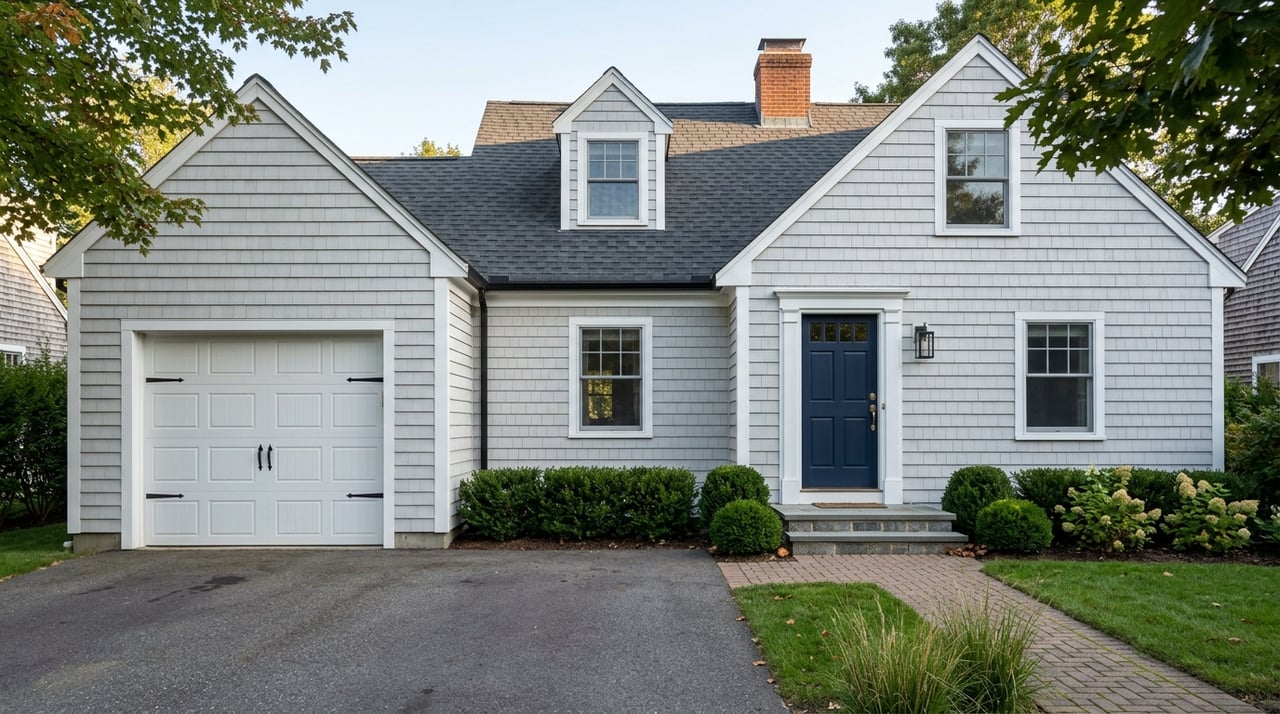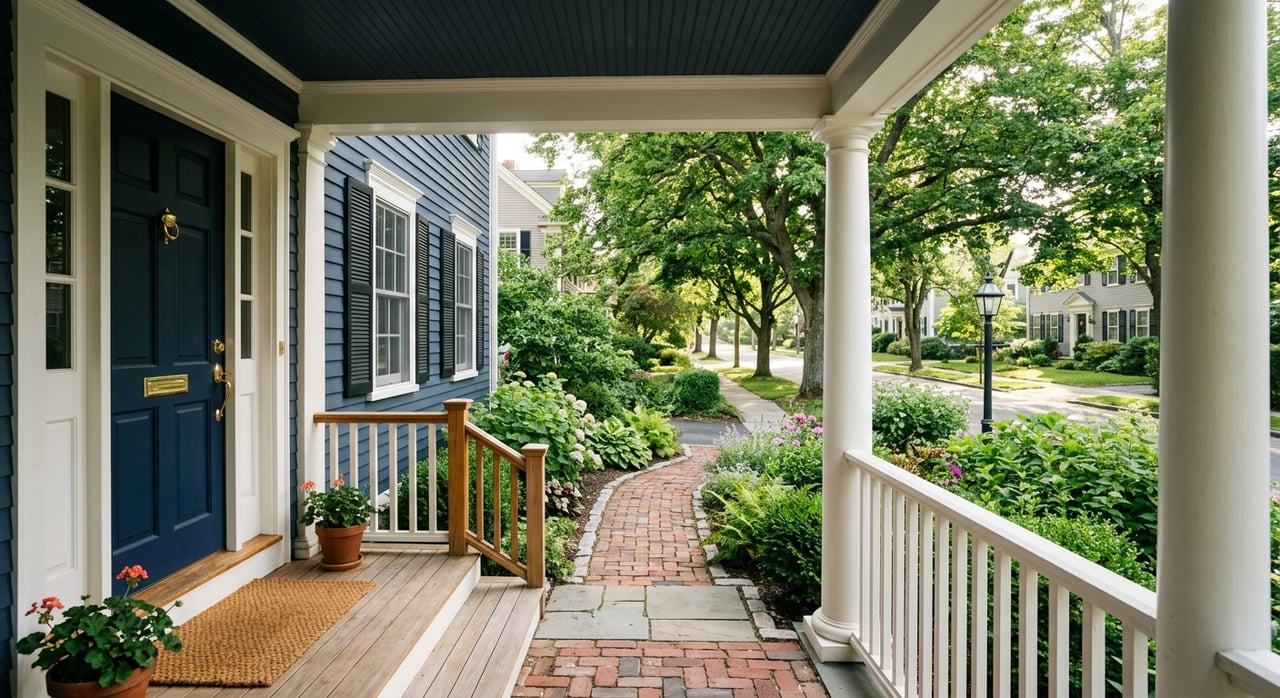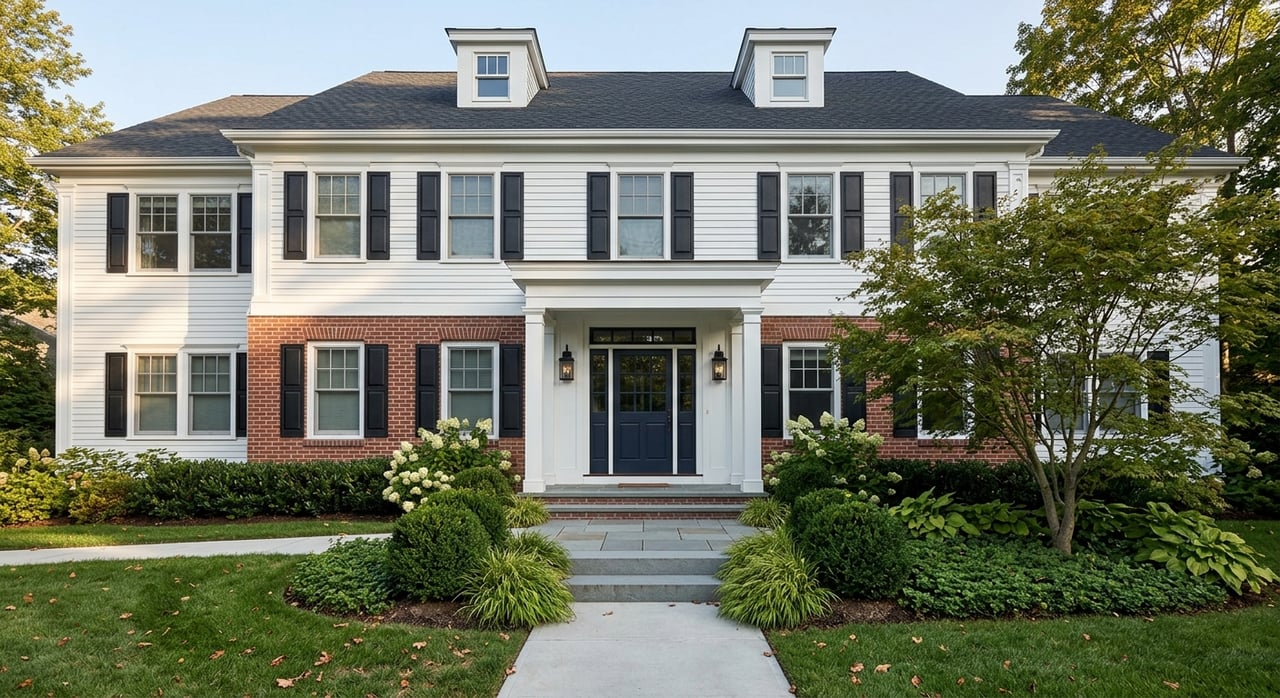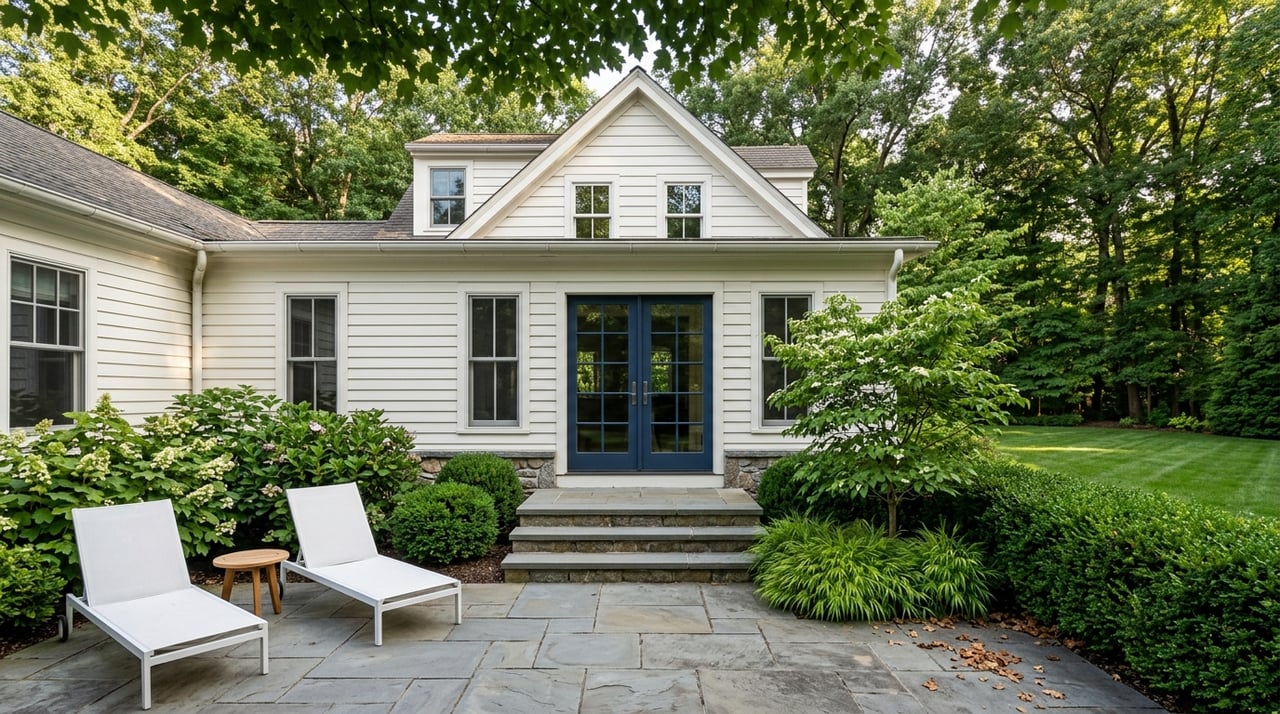
Thinking about moving up in Westwood? You are not alone, and you are probably balancing a lot at once: how much home you can comfortably afford, when to sell your current place, and how to compete in a market where strong homes can move fast. The good news is that with the right plan, you can trade up with more clarity and less stress. Let’s break down what matters most in Westwood so you can move forward with confidence.
Why Westwood Appeals to Move-Up Buyers
Westwood offers something many move-up buyers want: more space with practical access to Boston. The town is about 12 miles southwest of Boston and sits near Route 95/128 and I-93. Westwood also has two commuter rail lines and MBTA bus service on Routes 1 and 1A.
That mix of suburban setting and commuting options makes Westwood especially appealing if you want a larger home without feeling disconnected from the city. The town also points to University Station near the Route 128 station, which adds another layer of convenience through retail, office, and residential uses.
Westwood is also a predominantly owner-occupied community. Census QuickFacts reports that 87.3% of housing units are owner-occupied, and 26.1% of residents are under 18. Those figures help explain why many buyers see Westwood as a longer-term home market rather than a quick first-home stop.
What Westwood Prices Mean for You
If you are moving up into Westwood, it helps to start with a realistic view of pricing. Recent data places Westwood firmly in the $1M-plus range. Census QuickFacts shows a median value of owner-occupied homes of $1,041,500 for 2020 to 2024, Zillow reported an average home value of $1,271,269 as of May 31, 2026, and Realtor.com showed a median listing price of $1,479,000 in June 2026.
These numbers measure different things, so they do not match exactly. Still, they tell the same story: moving up in Westwood usually means entering a premium price tier. For many buyers, that means making a careful plan around equity, monthly costs, and offer strategy before shopping seriously.
Budget Beyond the Purchase Price
The home price is only part of the equation. Westwood’s FY26 residential tax rate is $12.87 per $1,000 of assessed value, which can add up quickly on a move-up home.
Here is what that looks like at a few price points based on assessed value:
| Assessed Value | Approx. Annual Property Tax |
|---|---|
| $1,000,000 | $12,870 |
| $1,200,000 | $15,444 |
| $1,400,000 | $18,018 |
Census data also shows median selected monthly owner costs with a mortgage at more than $4,000. That reinforces an important point: your carrying costs may rise well beyond principal and interest once you factor in taxes, insurance, repairs, furnishings, and closing costs.
Why Timing Matters in Westwood
In a move-up purchase, the hardest part is often not choosing the next home. It is coordinating the sale of your current home with the purchase of the new one.
Westwood’s market pace can make that balancing act more challenging. Realtor.com reported 56 homes for sale, a median sold price of $1,120,000, 32 median days on market, and a 104% sale-to-list ratio in June 2026. Zillow also reported 39 for-sale listings and homes going pending in around 7 days.
The exact numbers vary by source and date, but the pattern is clear. Well-positioned homes can attract quick attention, and strong listings may not wait while you get your financing or sale plan in place.
Should You Sell Before You Buy?
For many homeowners, selling first is the cleaner path. Consumer guidance says buyers who want to move normally try to sell their current home before buying another one. That approach can help you understand your available equity and set a firmer budget for your next purchase.
It can also reduce the risk of carrying two homes at once. In a market like Westwood, where monthly costs can be substantial, that matters.
Still, the real answer depends on your finances, your flexibility, and how much timing pressure you can handle. The key is to plan your sale side and buy side together rather than treating them as separate transactions.
Understand the Massachusetts Buying Process
Massachusetts has its own transaction structure, and that matters when you are trying to line up one sale and one purchase. State guidance describes the typical sequence as offer and acceptance, Purchase and Sale Agreement, inspection, financing and appraisal, title search, and closing or settlement.
The Purchase and Sale Agreement, often called the P&S, is a major milestone. Mass.gov notes that enough time should be built into the P&S for a professional home inspection. The state also says real estate attorneys are a regular part of buying and selling in Massachusetts, both by law and by practice.
That is especially important for move-up buyers. If your current home sale affects your ability to close on the next home, the timing and terms across both transactions need to be carefully aligned.
Pay Attention to Financing Deadlines
Massachusetts guidance also notes that financing terms are commonly written into the agreement. If financing does not come through within the contract timeline, a buyer usually must give written notice.
This is one reason preapproval and transaction planning matter so much. You want your financing timeline, inspection planning, attorney review, and sale strategy to work together from the start.
How to Prepare a Competitive Offer
In Westwood, offer strength is not just about price. It is also about readiness.
Realtor.com’s June 2026 market snapshot showed homes selling for about 104% of asking on average. In that environment, buyers need to be prepared before the right property appears.
Start With Current Preapproval
Consumer guidance recommends getting at least three preapprovals when shopping for a mortgage. It also explains that a preapproval is a lender’s tentative willingness to lend, not a guaranteed loan.
That matters because a stale preapproval can slow you down. The CFPB notes that preapproval letters often expire in 30 to 60 days, so if you start too early, you may need to refresh your paperwork before making offers.
Build a Complete Offer Strategy
A strong move-up offer in Westwood should usually include:
- A current preapproval
- A realistic understanding of your budget
- Clear financing terms
- Enough time in the P&S for a professional inspection
- A coordinated plan for the sale of your current home
When homes can go pending in about 7 days, waiting until after your home is listed to begin planning may cost you valuable time. Preparation gives you more choices and helps you act decisively when the right home hits the market.
What Makes Westwood a Long-Term Move-Up Market
Westwood is not just a place where people buy more house. It is often a place where people plan to stay.
The town reports four elementary schools, a middle school, and a high school. The Massachusetts district profile shows 7 schools serving PK through 12 with 2,839 students in 2025 to 2026. For buyers looking for a home that can fit their needs over time, that school structure is one part of the town’s overall appeal.
The market’s owner-occupied profile also supports that longer-term outlook. In communities where many owners stay put, inventory can feel tighter, and move-up opportunities may come in waves rather than on a perfectly predictable schedule.
Keep Future Supply in Mind
Westwood is also a commuter rail community under the MBTA Communities law. According to the town’s MBTA Communities page, that may influence zoning and future housing production near transit areas.
That does not change today’s competitive conditions overnight. But if you are thinking several years ahead, it is useful context as you weigh home type, location, and long-term value within town.
A Smart Move-Up Plan for Westwood
If you want to trade up in Westwood with confidence, focus on preparation rather than speed alone. The goal is not to rush. The goal is to be ready.
A strong plan usually starts with understanding what your current home may contribute toward the next purchase. From there, you can build a realistic budget that accounts for price, taxes, monthly carrying costs, and closing expenses.
Next, line up your financing and legal support early. In Massachusetts, transaction details and timelines matter, and the P&S stage is too important to leave to guesswork.
Finally, be ready to act when the right home appears. In a market where listings can move quickly, confidence often comes from planning ahead, not from reacting at the last minute.
When you are ready to map out your next step in Westwood, the Condon Droney Team can help you navigate the sale of your current home and your next purchase with the kind of local, hands-on guidance that makes a move-up transition feel more manageable.
FAQs
How expensive is the Westwood move-up market?
- Westwood is a $1M-plus market by most recent measures, with sources showing home values or listing prices above $1 million and a June 2026 median listing price of $1,479,000.
How fast do homes move in Westwood?
- Recent market snapshots showed 32 median days on market from Realtor.com, while Zillow reported homes going pending in around 7 days, signaling that attractive listings can move quickly.
What property taxes should Westwood buyers expect?
- Westwood’s FY26 residential tax rate is $12.87 per $1,000 of assessed value, which equals about $12,870 annually on a $1,000,000 assessment before any exemptions.
What is the Massachusetts Purchase and Sale Agreement?
- In Massachusetts, the Purchase and Sale Agreement is the contract between buyer and seller, and state guidance says it should allow enough time for a professional home inspection.
Should a move-up buyer sell first in Westwood?
- Many buyers normally try to sell their current home before buying another one, because doing so can clarify available equity and reduce the risk of carrying two homes at once.
What makes an offer competitive in Westwood?
- In Westwood, a competitive offer is often built on a current preapproval, clear financing terms, a realistic inspection timeline, and a well-planned strategy for the sale of your current home.